
Spring has arrived! The Last Frost date for Gaston County is April 1, which means you can count on consistently warmer nights and days. The first and last frost dates in a county are an educated guess based on historical weather patterns. It predicts when your garden is safe from a hard freeze and offers some guidance on when to plant flowers and vegetables.
Here are three essential chores you can do to prepare your garden for the best growing season yet.
Soil Test
Start with a soil test to see what your garden needs. After a long summer of growing beautiful plants and tasty vegetables, your garden may need a refresh of some essential nutrients. Nitrogen, Phosphorus, Potassium, (NPK) are three primary nutrients that can become depleted over time. Leaving garden beds uncovered during the winter can also deplete soil quality. Here at Stowe, the Horticulture team tested each of the gardens to see what they need. Some of our beds undergo intensive seasonal plantings. Keeping these showy plantings alive and healthy is an important part of maintaining Stowe’s beautiful landscape.
Soil testing will also show the acidity of your soil and will help determine whether or not your lawn or garden needs an application of lime. Most plants prefer only a slightly acidic, or slightly alkaline soil. The perfect range is a PH between 6.0-7.0.
- Soil tests will show your garden’s NPK and help you choose the right fertilizer
- Show your soil acidity and determine whether or not you need lime
- Can help you fine tune your soil to your needs and understand why a garden or plant may not be thriving.
Gaston Natural Resources provides free soil testing boxes, forms, and information to Gaston County residents. Boxes and forms are available at their office at 1303 Dallas Cherryville Highway and can be mailed to the address listed on the form. During peak season (December-March), a $4 fee is charged per sample. Visit the NC Division of Agronomic Services webpage for more information or speak to a Master Gardener volunteer.
Soil testing can be done at home, but with varying results as not every store-bought test is accurate. Knowing exactly what your soil needs can help you save time and money by purchasing the correct fertilizer (if any) and feeding your soil exactly what it needs.
Compost or Amendment
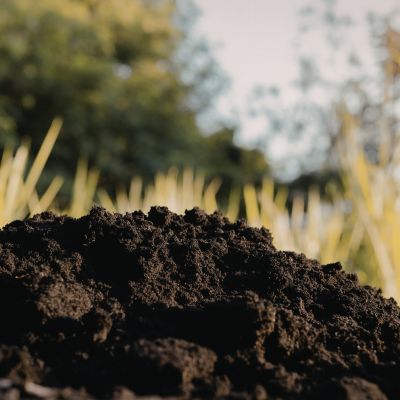
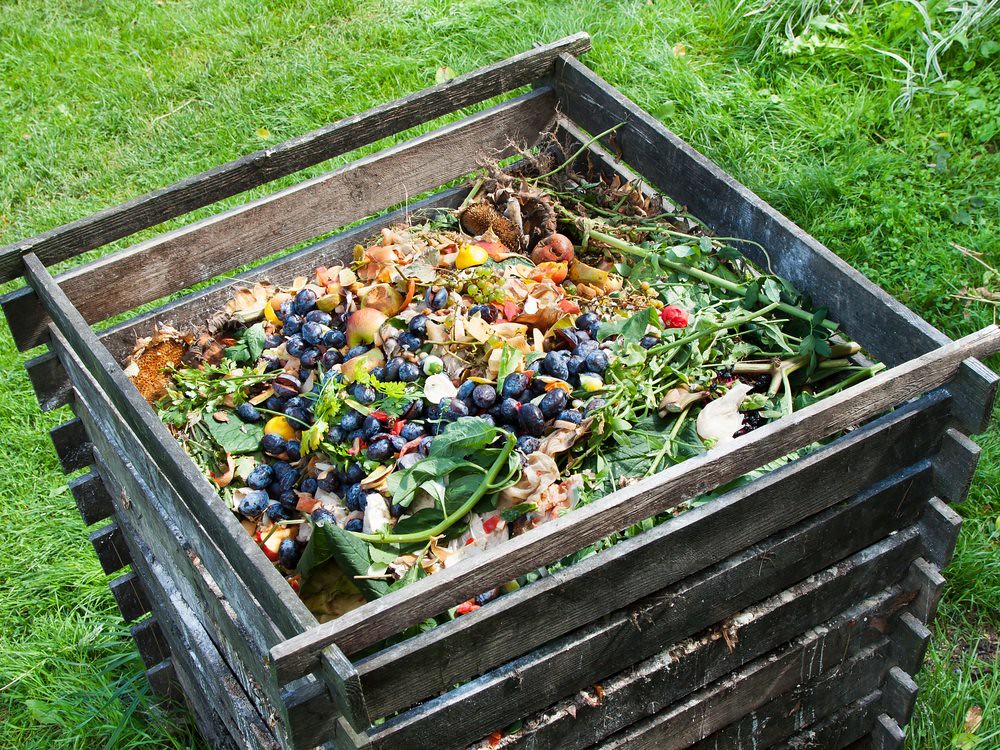
Feeding your soil can be done with fertilizer or compost! If you have a compost system at home, whether its in a box, bucket or just a pile in the yard, now is the time to turn those piles and reap the benefits.
If you bag you grass while cutting, lawn clippings are a powerful nitrogen source for your compost bin. When combined with carbon sources like dried leaves, cardboard and woodchips, lawn clippings can help turn up the heat in your compost pile. Here at Stowe, we have the privilege of keeping all of our yard/green waste on site. Crown Town Compost removes all Stowe food and café waste for composting at their facility.
Composting can help reduce waste and the buildup of methane gases in landfills.
- Help your soil retain water
- Provide vital nutrients to your plants
- Increase the number of beneficial microbes in your soil
My small 3×3 compost bin yields about ten gallons of compost, just enough to dress my raised beds with a light sprinkling. It may not seem like a lot, but seeing all of our food and yard waste turn into black gold is extremely satisfying.
For larger plots with more intensive plantings, a heavier dressing of compost may be necessary. Compost can be purchased by the yard from local landscapers, or you can take advantage of Gastonia’s Black Gold Sales through April.
Compost is an amazing resource that can help with weed suppression, revitalize dry or compacted soils through water retention and supercharge your soil with nutrients and good microbes.
Mulching
Not all mulch is created equal. Heavy, dyed mulches may look nice in a formal setting, but they don’t offer much soil building quality. Dyed mulches sometimes do a good job of smothering weeds, but your mulch could be doing so much more for your garden. A natural, compostable mulch will help build your soil health.
- Natural mulch decays and breaks down over time, turning into soil
- Helps reduce the amount of water used in your garden by retaining moisture
- Smothers weeds
- Provides habitat for beneficial creatures like insects and lizards
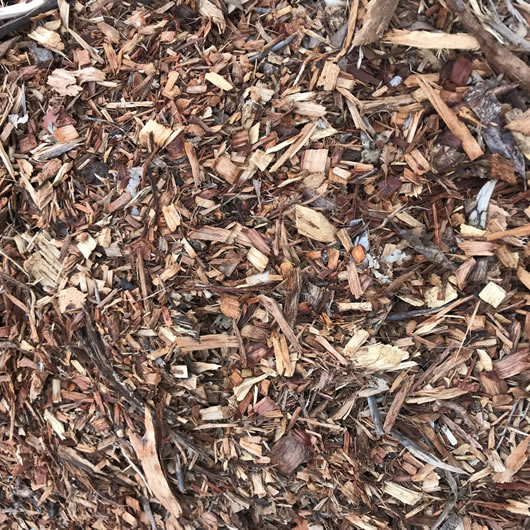
Example of arborist mulch
If you are planning a flower or vegetable garden, consider using arborist mulch* (left overs from cut down trees), leaf litter or a thick top dressing of compost. Sometimes these are provided at low or no cost by your city or even arborists through companies like Chip Drop. These mulches will often break down into a crumbly, water reattaining hummus that both feeds your plants and improves soil quality. Moist soil is living soil, full of happy bacteria, nematodes (the good ones) and beneficial funguses essential to happy root growth. Refreshing natural mulches every year can be a pain, the reward of nutrient dense soil and reduced watering costs is well worth it.
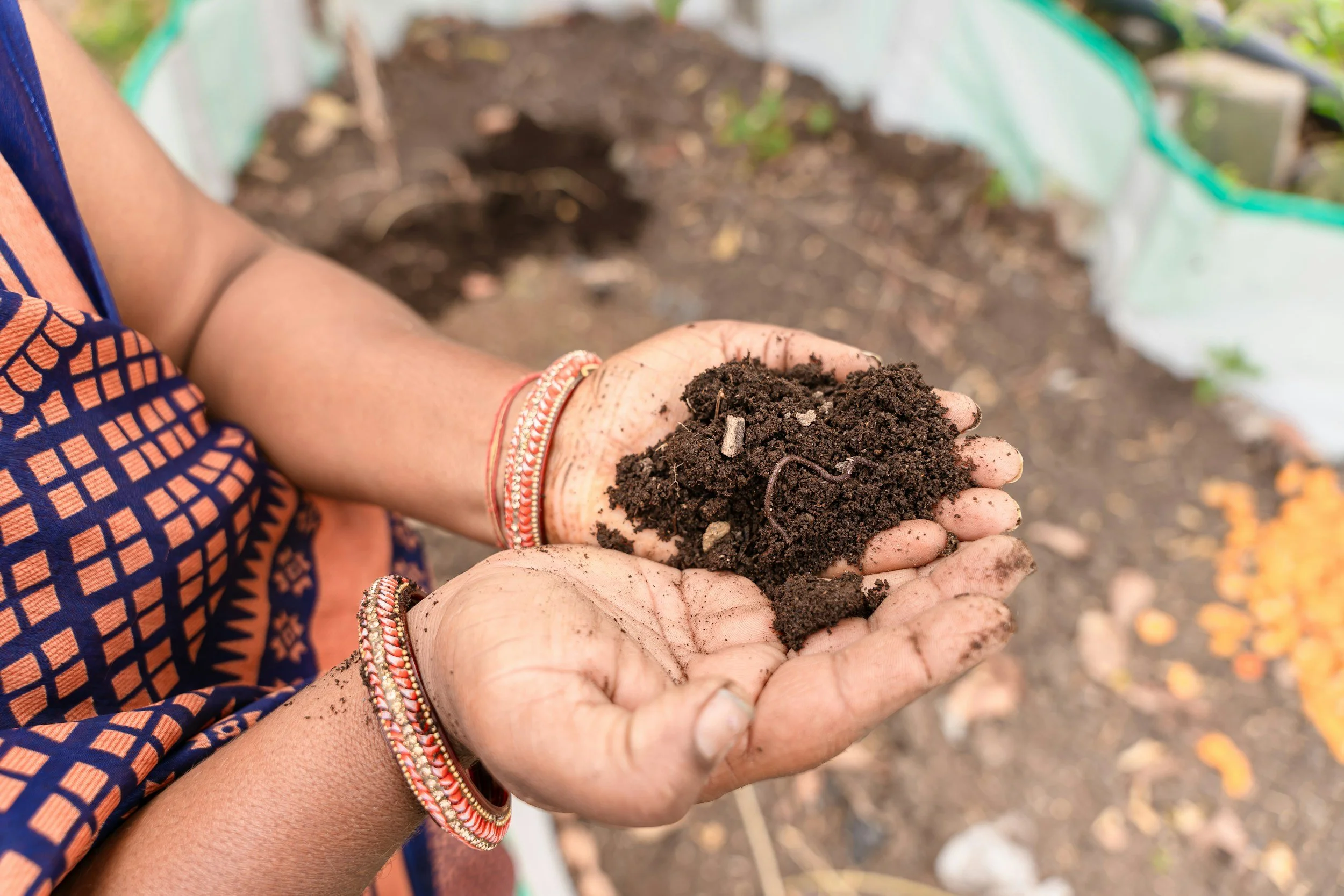
*A note about arborist mulch and compost. Make sure both are broken down and are no longer actively ‘hot’. A good indicator of hot compost or mulch is steam and warmth radiating from the pile. Arborist mulch can potentially cause nitrogen lockup in your soil, keep arborist mulch 6 inches away from plant bases and watch for any signs of nitrogen depletion in your plants.
Whether your garden is just a few raised beds, or a sprawling Botanical Garden like Stowe these essential spring chores will set your garden up for success. Whether you are growing a garden just for fun, or you’re planting a veggie patch to start that new canning hobby, starting your garden off on the right foot can save you time and energy and make your gardening season a nourishing experience. Go get your hands dirty!