
April is Native Plant Month, a perfect time to celebrate the beauty and impact of plants that truly belong here. At Daniel Stowe Conservancy, our Native Nursery is growing something special, a vibrant collection of Piedmont Prairie plants that connect our gardens to the natural heritage of the Carolinas.
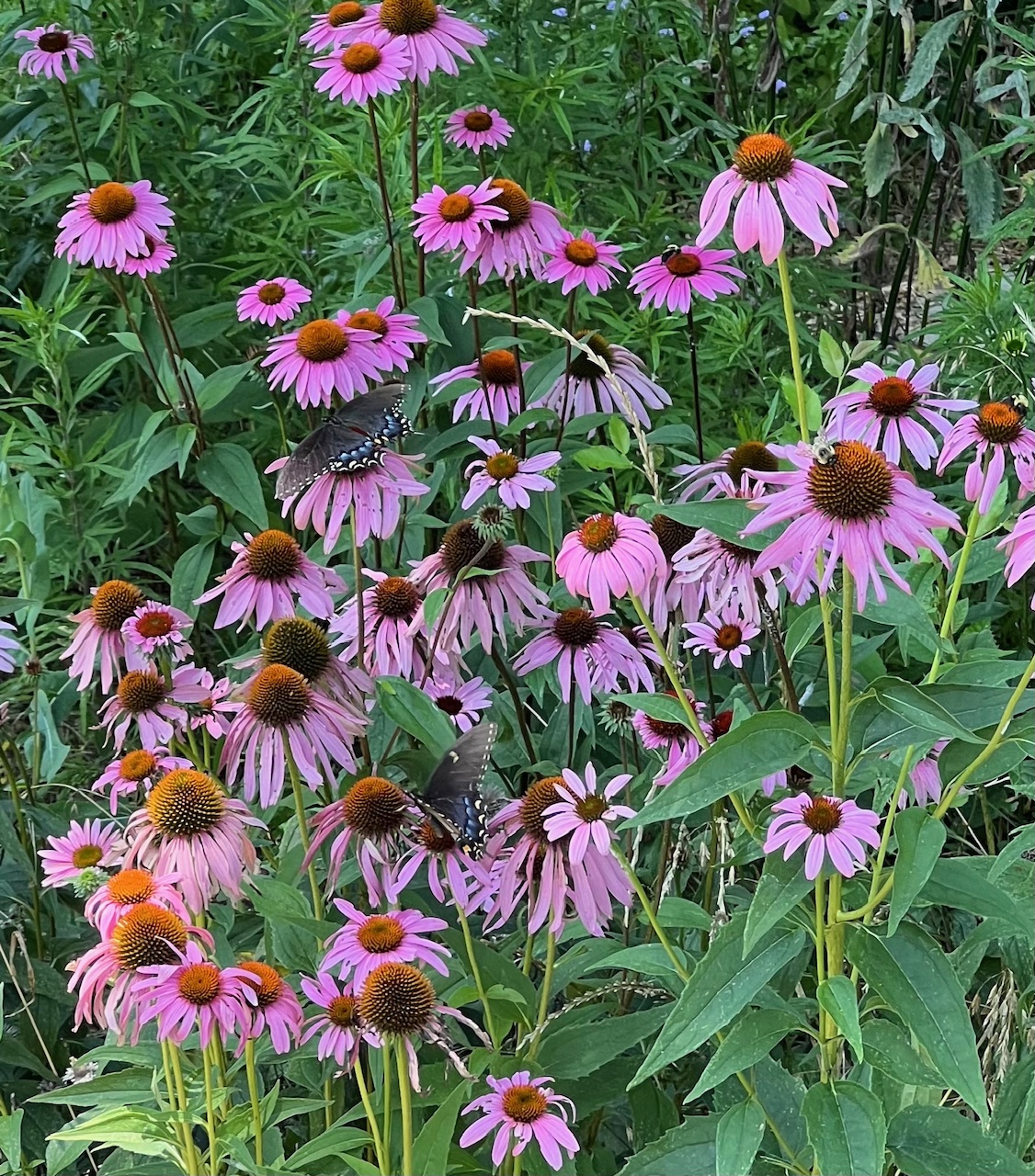
Coneflowers
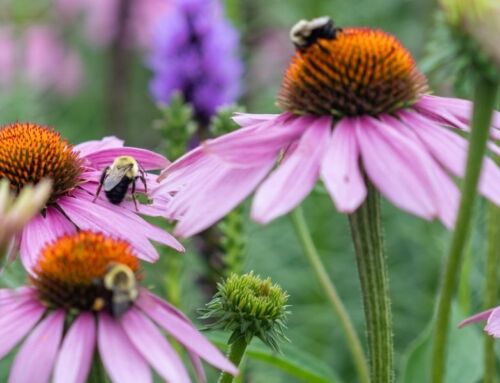
These sun-loving grasses and wildflowers such as coneflowers, blazing stars and little bluestem are not just beautiful. They are hardworking. Native plants support local pollinators like bees and butterflies, provide habitat for birds and wildlife and are naturally adapted to our soils and climate. That means they typically need less water, fertilizer and maintenance once established. In short, they are a win for your garden and the environment.
With dry conditions affecting much of our region, native plants are proving their resilience. Many Piedmont Prairie species have deep root systems that allow them to access moisture far below the soil surface. These roots also improve soil structure and help retain water over time. While many traditional landscape plants struggle during drought, natives are built for these cycles of rain and dry periods, making them a smart and sustainable choice for today’s changing conditions.
Ready to add a little prairie magic to your own space? Join us for our Spring Plant Sale at Stowe on May 1, 2 and 3, where you will find a curated selection of native plants straight from our nursery. Whether you are building a pollinator garden or just getting started, our team will be there to help you choose the right plants for your space.
In addition to native plants, a variety of other garden favorites will also be available. Many of these selections are beneficial to pollinators and wildlife, offering even more ways to create a vibrant and supportive landscape at home.
And if you miss the sale, native plants will also be available when the Butterfly Bungalow opens Memorial Day weekend, giving you another chance to bring home species that support butterflies and other pollinators all season long.
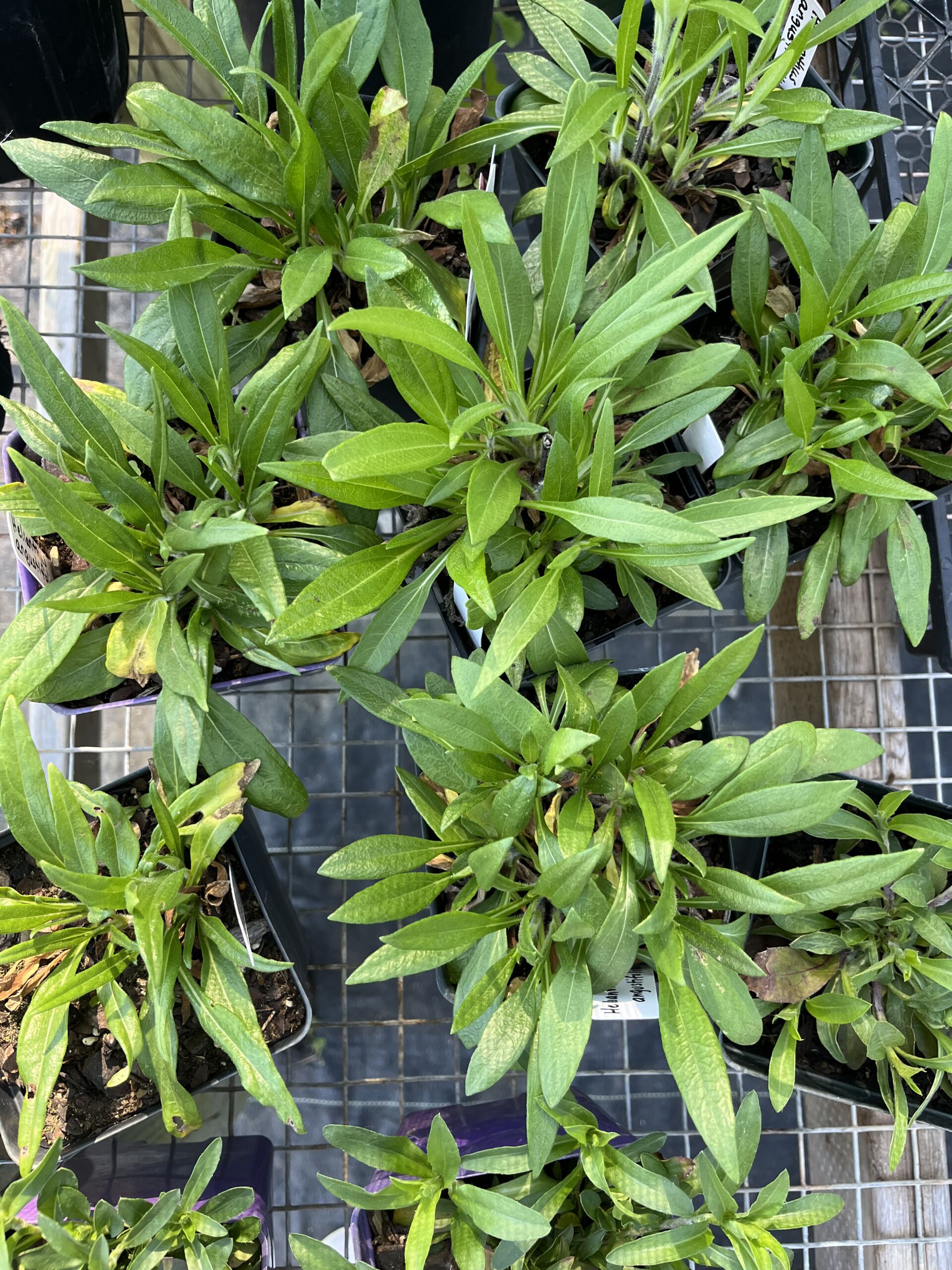
Plants from our Native Nursery
Why Natives Matter
Planting natives is one of the simplest ways to make a meaningful impact. Every native plant you add helps restore habitat, strengthens local ecosystems and keeps the Piedmont landscape thriving for generations to come.
This April, celebrate Native Plant Month with us. Explore, learn and grow something that truly belongs. All of the plants listed below will be available for purchase at the Plant Sale!
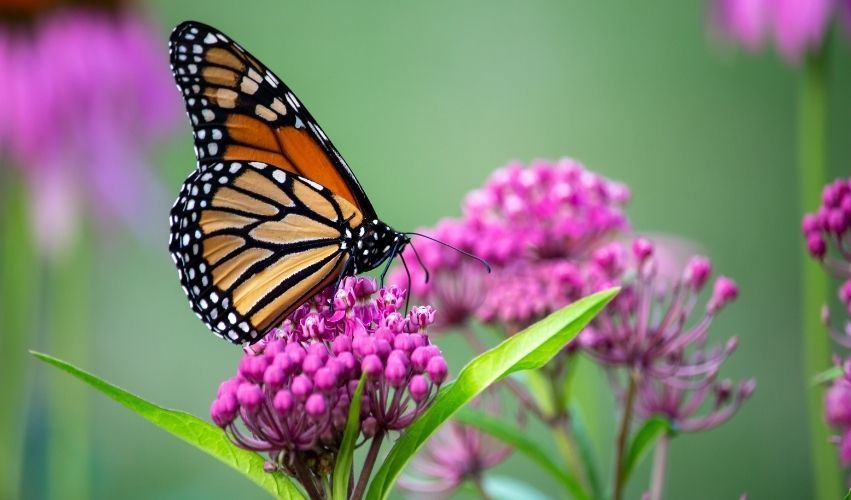
Swamp Milkweed (Asclepias incarnata)
Clusters of soft pink blooms thrive in moist soils and draw in pollinators all summer long.
Host plant for monarch butterflies.
Critical for monarch reproduction, a keystone pollinator species and highly valuable in wetland and rain garden systems.
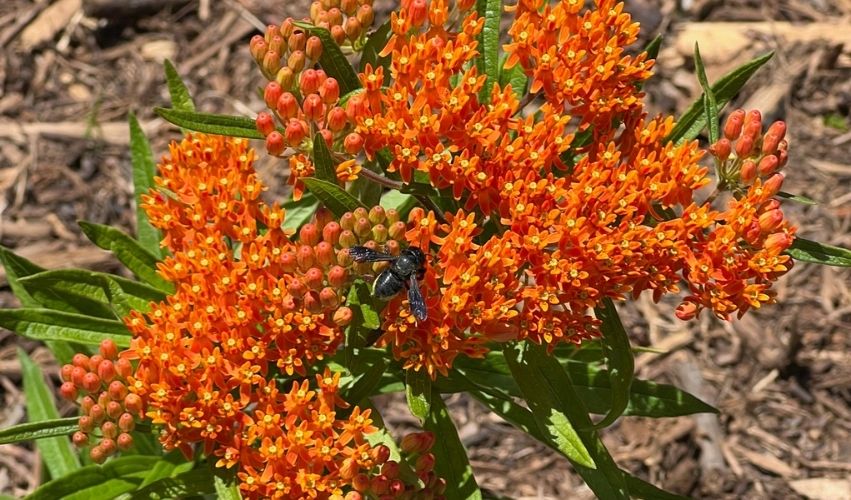
Butterfly Weed (Asclepias tuberosa)
Brilliant orange flowers and drought tolerance make this a standout in sunny gardens.
Host plant for monarch butterflies
Same essential host role as swamp milkweed, but adapted to drier sites, expanding habitat range for monarchs.
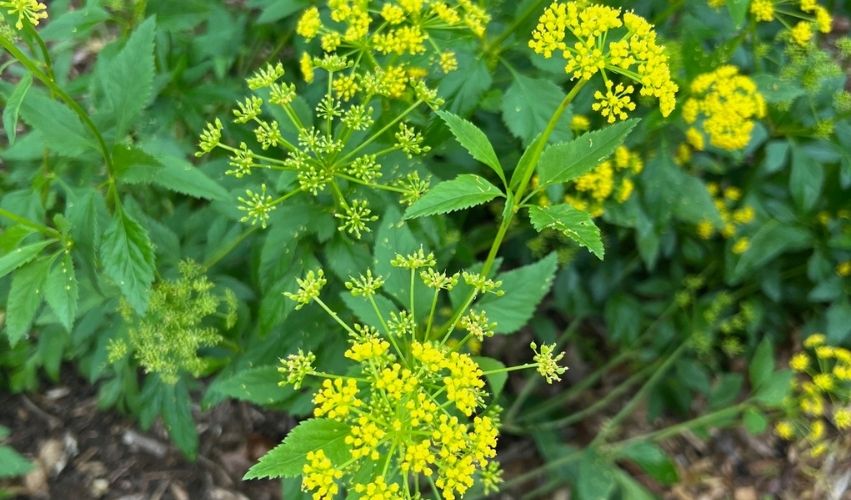
Golden Alexander (Zizia aurea)
A bright spring bloomer that plays an important role in early season ecosystems.
Host plant for black swallowtail butterflies.
One of the most important early season host plants for swallowtails, filling a critical seasonal gap. Highly deer resistant.
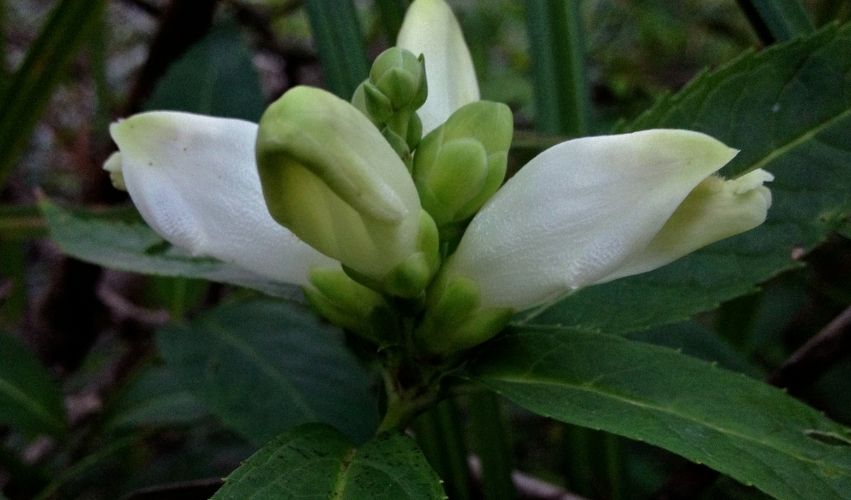
Unique snapdragon-like flowers that thrive in moist soils and attract specialized pollinators.
Host plant for Baltimore checkerspot butterflies.
Supports a specialist butterfly species, making it highly valuable, though more niche.
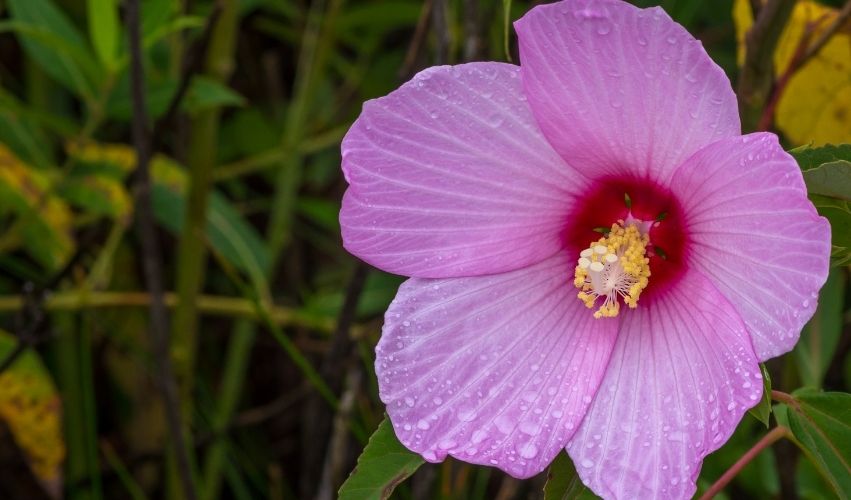
Swamp Rose Mallow (Hibiscus moscheutos)
Large, showy blooms make this native hibiscus a dramatic addition to wet or sunny spaces.
Host plant for several native butterflies including checkered skippers.
Supports multiple species and adds strong wetland habitat value.
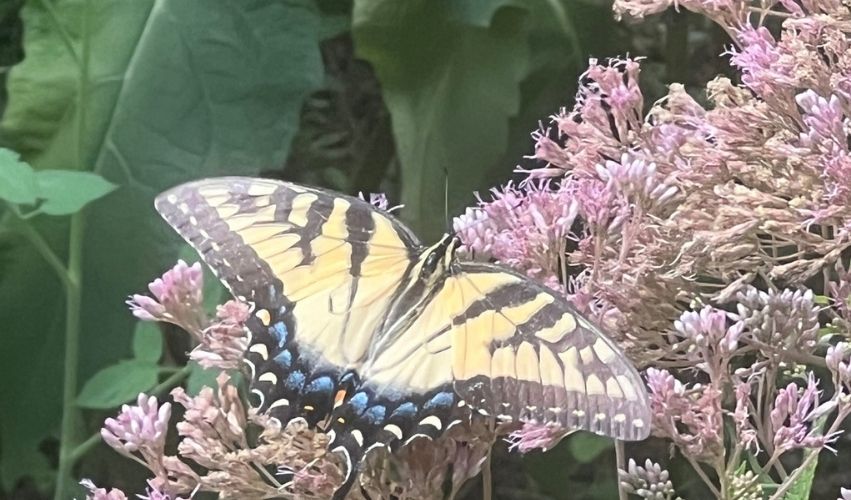
Joe Pye Weed (Eutrochium fistulosum)
Tall and striking, this late summer bloomer is a magnet for butterflies.
Exceptional nectar source during a critical late season window when resources are limited.
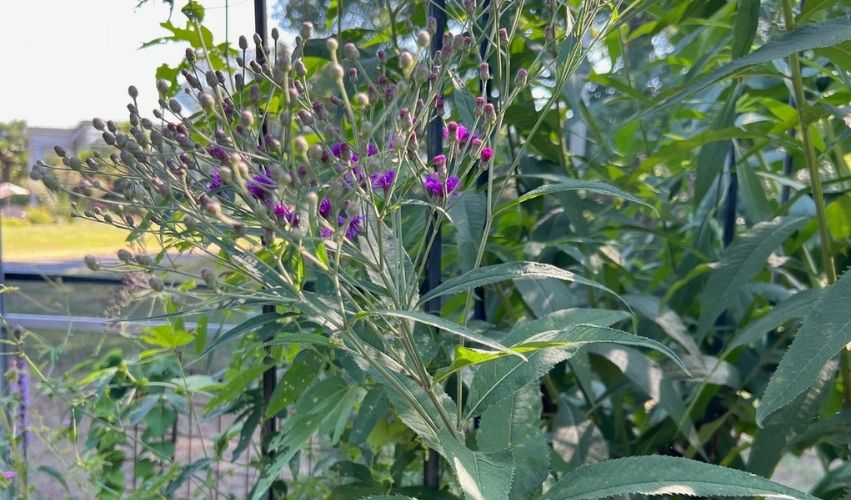
Ironweed (Vernonia gigantea)
Rich purple blooms provide critical late season nectar for pollinators.
Similar to Joe Pye Weed, highly valuable for late season pollinator support.
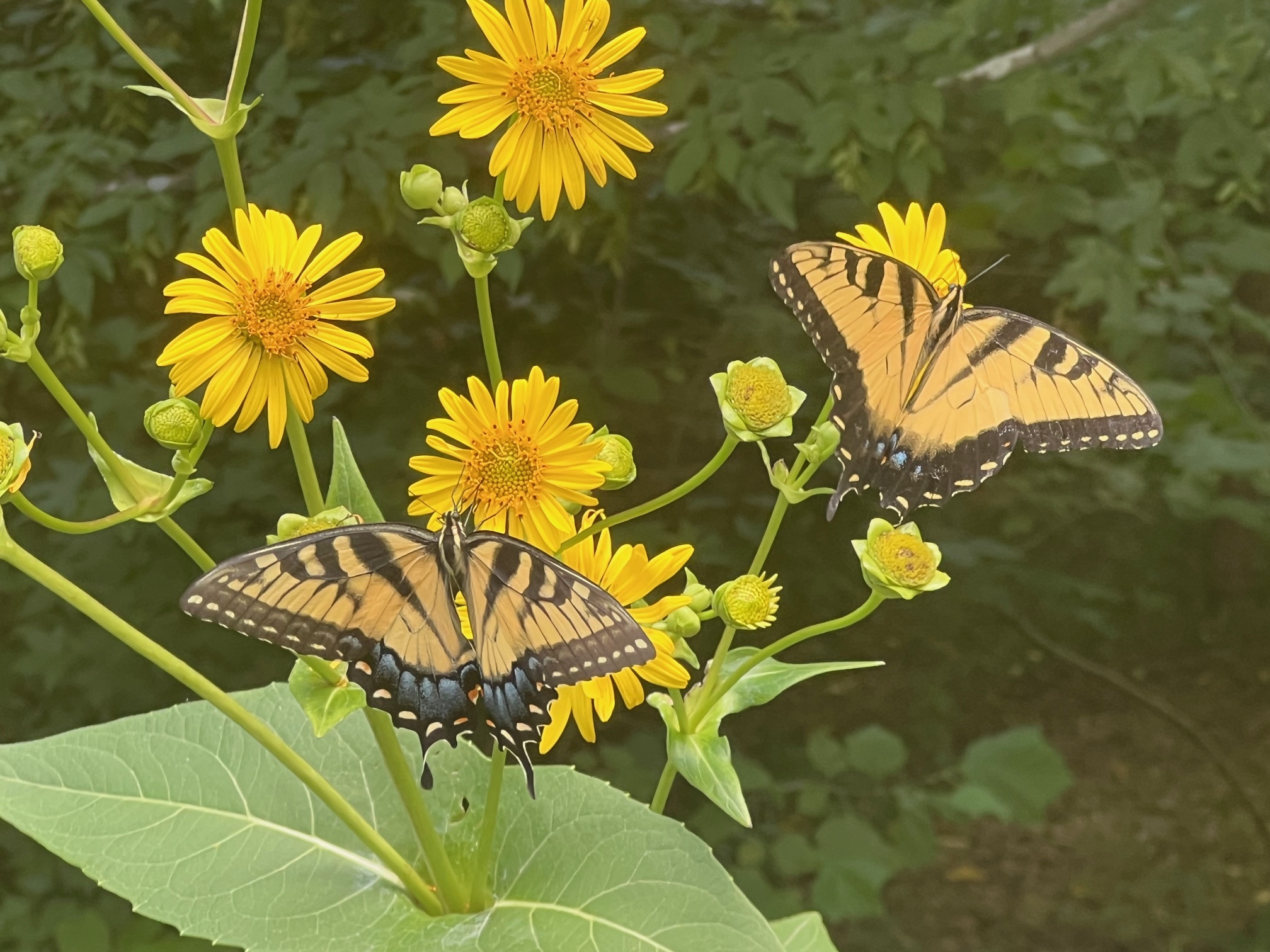
Cup Plant (Silphium perfoliatum)
Tall, bold, and impossible to miss, cup plant forms natural “cups” with its leaves that collect rainwater for birds and insects to drink. Its bright yellow flowers attract a wide range of native bees and butterflies, making it an excellent pollinator plant.
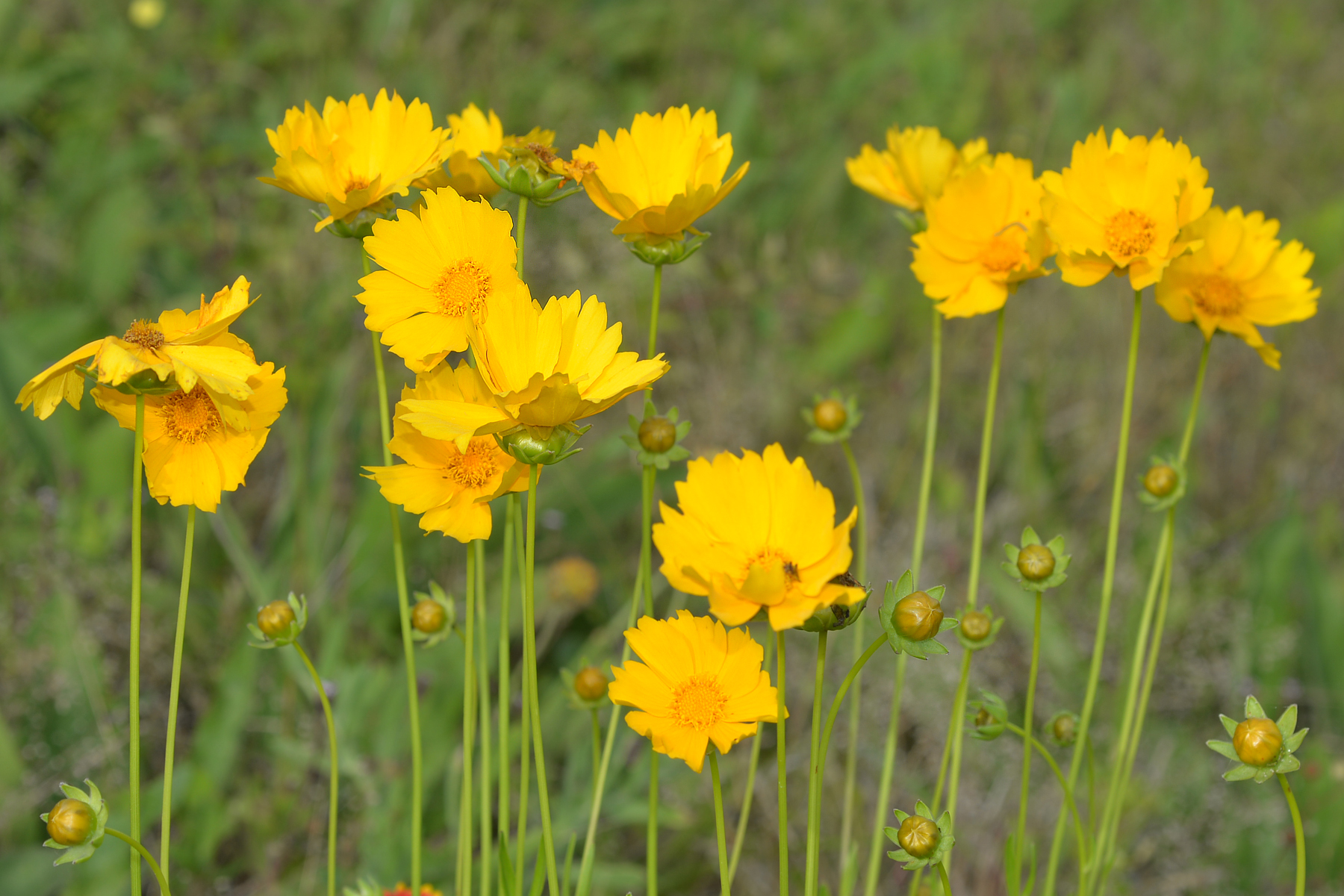
Lanceleaf Coreopsis (Coreopsis lanceolata)
A Piedmont favorite, this early bloomer provides essential nectar for spring pollinators. Important early nectar source.
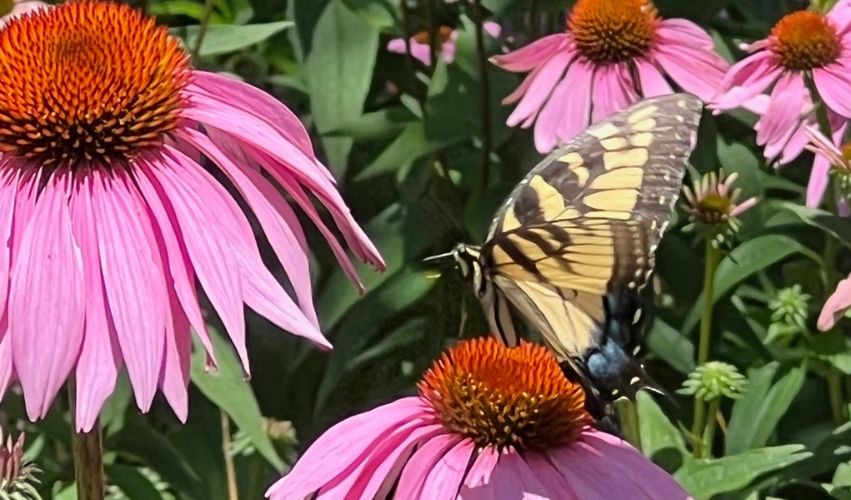
Echinacea purpurea (Purple Coneflower)
A classic native with bold blooms that feed pollinators and provide seeds for birds.
Multi season value with seed for birds, but not a key host species.
Big Picture Takeaway
A strong native planting includes both host plants for reproduction and nectar plants for seasonal support, creating a more complete and resilient ecosystem.