
Planting is often associated with springtime, when flowers are bursting into bloom and garden centers are bustling with activity. Yet seasoned gardeners across North Carolina's Piedmont region know that the real prime planting season arrives in the fall. Call it the autumn advantage!
Why Fall Beats Spring
Roots before shoots. The air cools down, but the soil stays warm well into December and beyond. That warmth is ideal for root growth, so plants get a head start underground while the tops rest.
Less transplant stress. Cooler weather means less shock for new plants, and they settle in more comfortably.
More reliable rain. Fall rainfall usually means your plants aren't in a constant struggle for water while they establish.
A head start on spring. By the time warm weather returns, fall-planted trees, shrubs, and perennials are ready to burst into growth. They're healthier and more resilient than those planted in the heat of spring. (Think about what has struggled or died on you in July. Fall planting helps you avoid that.)
Fall is Made For Dividing Perennials
Once a perennial has been in the ground for about two years, most can be divided. Dividing keeps plants vigorous, fills bare spots in your yard, and gives you plants to share with friends and family.
You don’t always have to dig up the whole plant. Go in from the side with a garden fork or shovel, lift out a section, and leave the rest undisturbed. Cut or tease the section into pieces that each have roots and growing points, replant one right away, pot up the others to share, and water everything in well. Because it’s fall, the roots settle in quickly without the stress of summer heat.
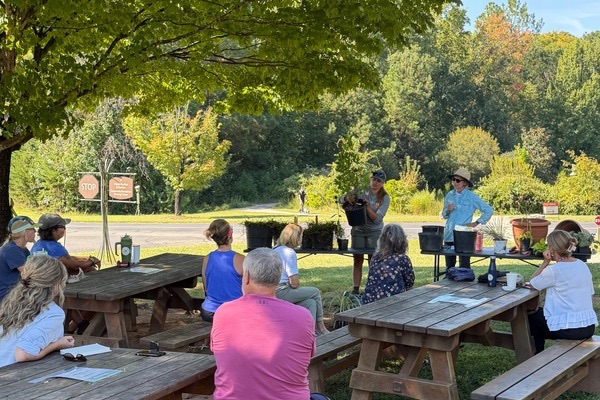
Karen + Horticulturist Bailey teach a Lunch + Learn on Fall Planting
Fall Container Gardening
Fall isn’t only for the ground. Containers on the porch, patio, or entryway can carry color and interest when summer annuals fade. Cool-season plants thrive in the cooler weather and hold up through much of the winter in the Piedmont, and pots are easy to refresh.
For a container that looks designed, use the classic Thriller, Filler, Spiller formula:
- Thriller: a tall focal point, such as ornamental kale or cabbage, dwarf grasses, snapdragons, or dusty miller.
- Filler: color and texture for the middle, such as pansies, violas, mums, or heuchera. Add mini pumpkins and gourds for some fall flair!
- Spiller: something to drape over the edge, such as trailing ivy, creeping Jenny, sweet potato vine (until frost), or trailing pansies and violas.
Check what your local garden center has in stock, and choose plants that suit your light.
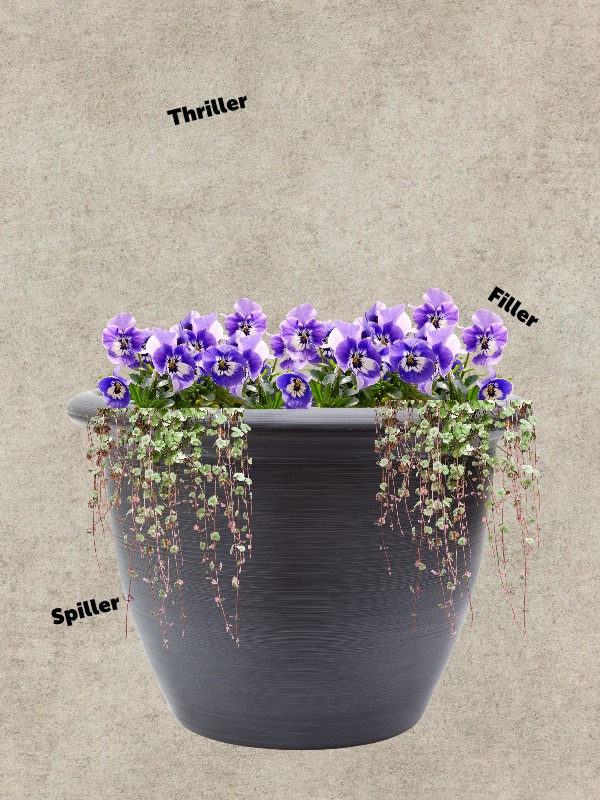
Example of the Thriller, Filler, Spiller
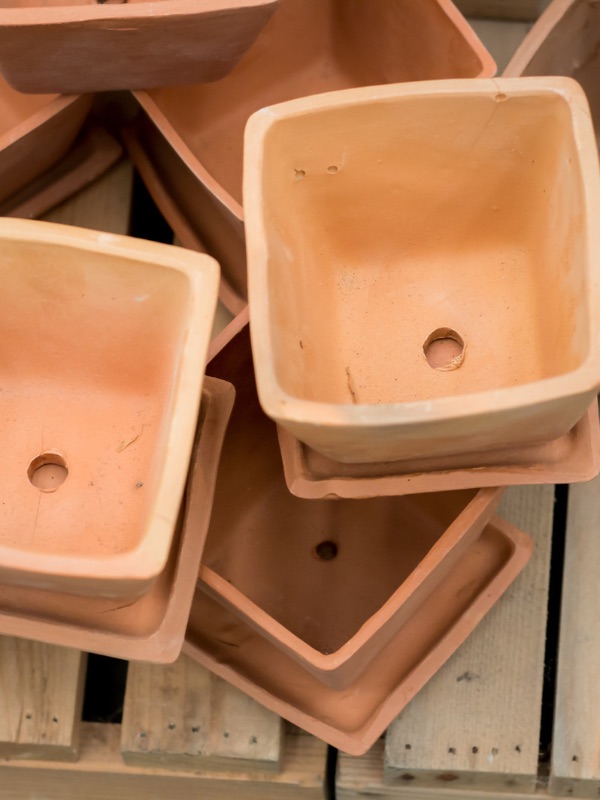
Example of pots with drainage
How to Plant Your Pot
- Choose a pot with drainage holes.
- Fill it with quality potting mix to a couple of inches below the rim.
- Set your plants, still in their nursery pots, on top to plan the layout.
- Plant at the same depth they were growing, and don’t bury the crown.
- Fill in the gaps, leaving a little space at the rim for watering.
- Water thoroughly until it drains from the bottom.
- Skip the fertilizer.
Containers dry out faster than in-ground plantings, so check moisture regularly and keep watering through dry spells.
Water Wisely
New plantings need consistent moisture. Aim for one to two inches of water per week. A rain gauge is a simple, inexpensive way to track rainfall, and if nature doesn't provide enough, supplement by hand.
A watering wand is one of the most useful tools a gardener can own. It lets you soak deeply at the base of the plant. Water long enough to saturate the entire rootball, and if you're unsure, dig a small hole near the plant to check the soil moisture. Keep watering during dry spells in winter, too.
Avoid These Common Mistakes
- Planting too deeply. This can smother roots. Keep the trunk flare, where the trunk widens at the base, visible on trees and shrubs.
- Fertilizing. Feed the soil, not the plant. This is the season for strong roots, not leafy growth.
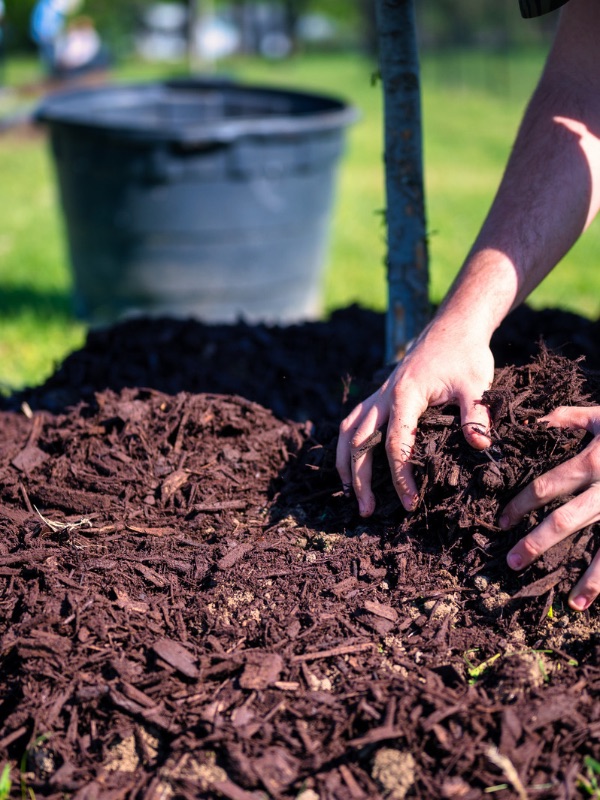
- Piling mulch against trunks. Aim for a wide "mulch donut," not a "mulch volcano." Mulch against the trunk invites rot.
- Forgetting winter water. Plants still need a drink during dry spells.
Rethink Your Fall Cleanup
Fall planting is a good reason to think differently about maintenance.
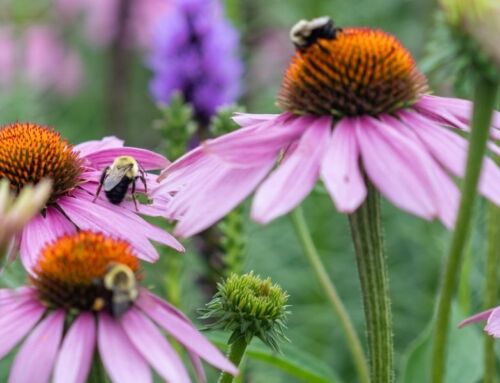
Leave the seed heads. Leaving perennial seed heads standing through winter feeds the birds and adds beauty to the quiet months. There’s nothing quite like watching a goldfinch balance on a coneflower.
Keep your leaves. Instead of bagging them, rake them into a compost area or use them as natural mulch. They break down into rich organic matter, provide habitat for beneficial insects, and might even help bring lightning bugs to your yard next summer.
Your Fall Challenge
The fall season in the Piedmont is a gift for gardeners. The weather cooperates, nature lends a hand, and your efforts are rewarded with stronger, healthier plants in the seasons to come.
This week, pick just one thing: divide a perennial, plant a fall container, or start a leaf pile. Then invite a friend to swap divisions with you.
Plant in the fall, and your spring garden will thank you.