
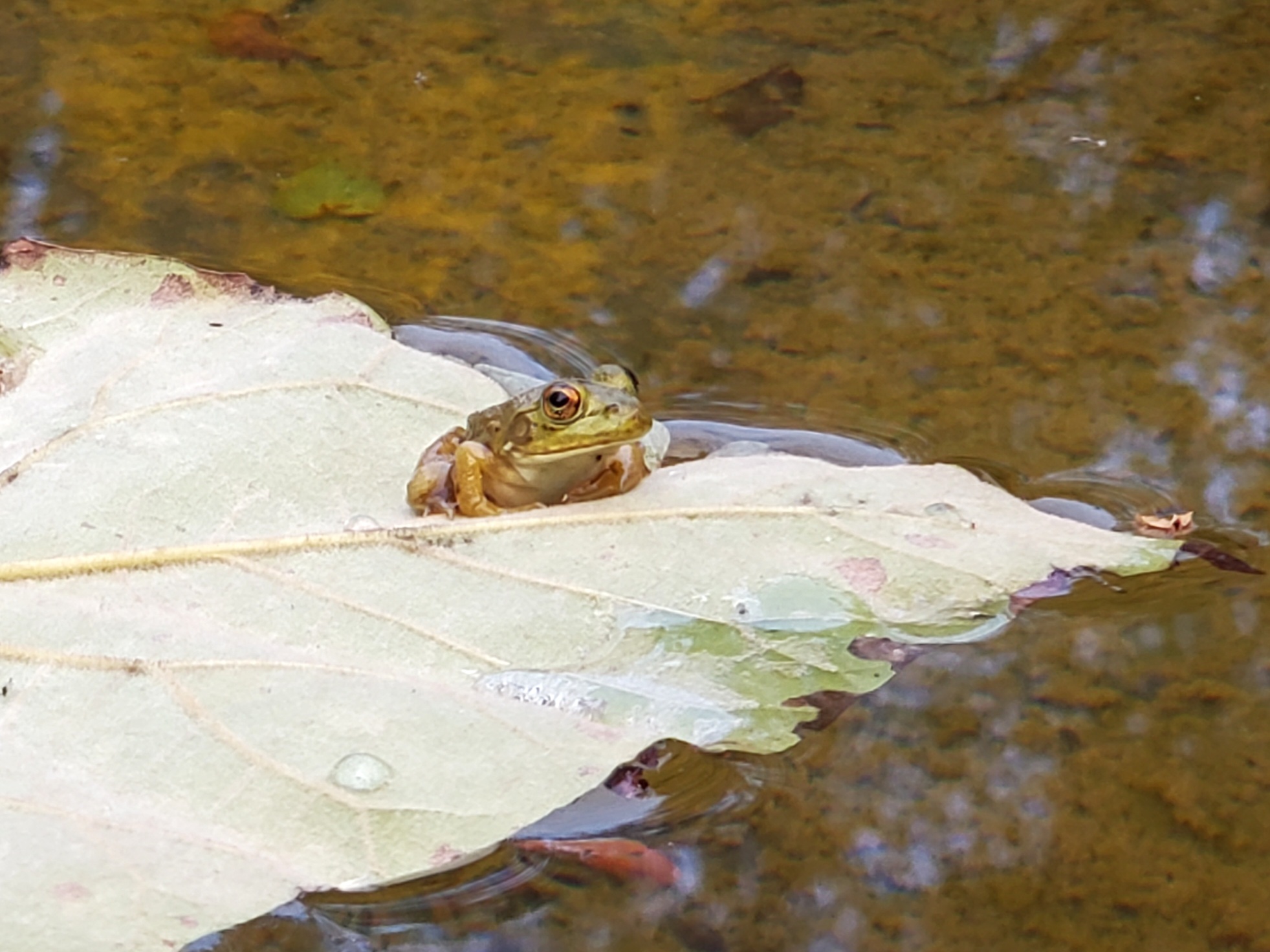
Did you know that every garden at Stowe has a water feature? It’s true – 14 of them actually. And although these beautiful basins exist primarily for human eyes, something else has taken notice: the frogs. Every gardener at Stowe has had to scoop floating frogs from their fountains. They just can’t help but jump in, only to find they cannot always jump back out. This has left the horticulture staff scratching their heads, searching for effective ways to help our frogs escape.
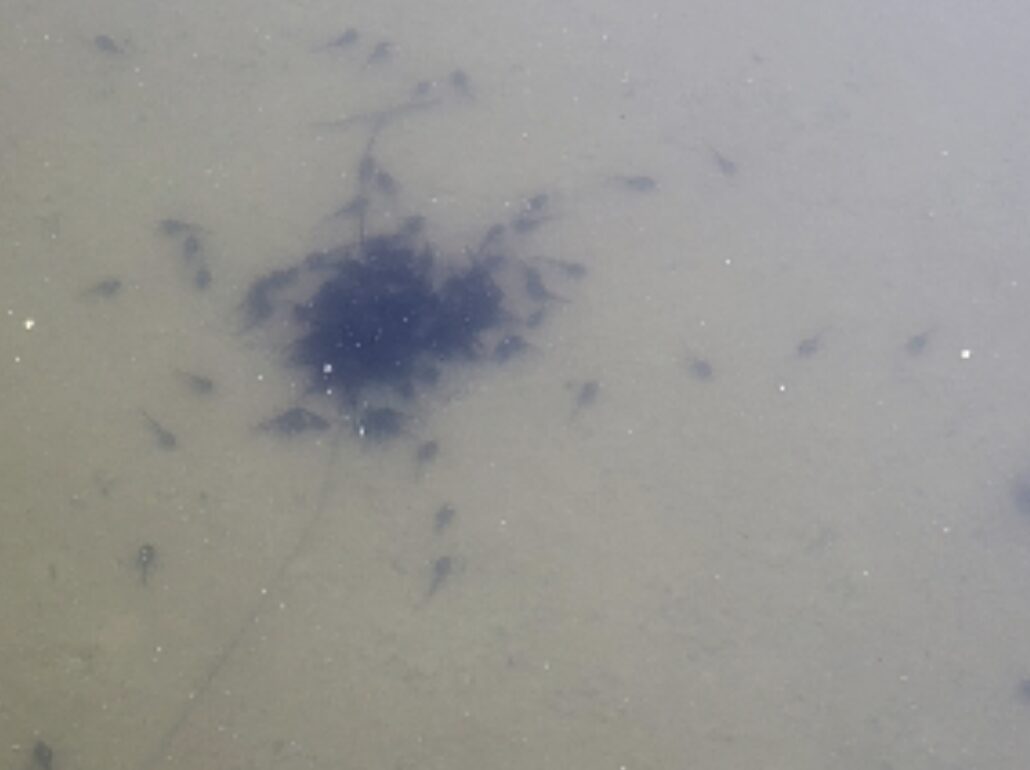
Take my zone for example. I oversee Crown Garden, the location of the Crown fountain. This spring I drained and cleaned the water feature. Ordinarily we will then put dye in the water, but since it looked so clean we decided to forego that for a while. Shortly after, I noticed something. There in the clear water, were hundreds of tiny tadpoles. Whether intended so or not, my fountain was a habitat. And with that, I felt responsibility for their safety.
Our first solution was to use a commercial product known as “FrogLog”, a small floating nylon pad connected to a ramp exiting the water. These worked very well. Unfortunately, someone (perhaps mischievous garden faeries) would toss these floats and its anchor out into the water. Also, the product has a short lifespan sitting outside in the elements. Ultimately, we wanted to find a more elegant solution: something sustainable with a natural aesthetic.
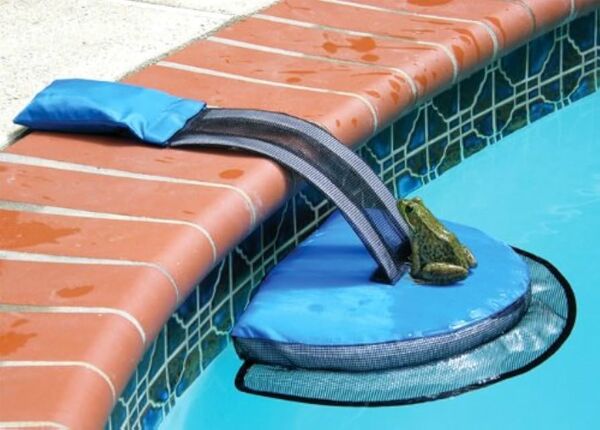
Example of a FrogLog
All I really needed was an old branch left laying on the edge of the fountain, so my second attempt was fairly simple. A coworker had built a long bamboo ladder to stick out of the water, which I took and tied to a brick on the edge. It wasn’t pretty, but I just needed this prototype to work. It didn’t. I ran into two problems. First, a slippery ladder is a less effective tool than a course, textured ramp. And then more mischievous faeries would toss that brick into the water, ladder still attached. Next we tried stacked blocks and rocks, creating a small pile next to the edge of the fountains. This was effective! But again, those faeries would tamper, pushing the stacks of rock over, spilling them to the bottom. This was not going to work for me either, but I was determined to figure it out.
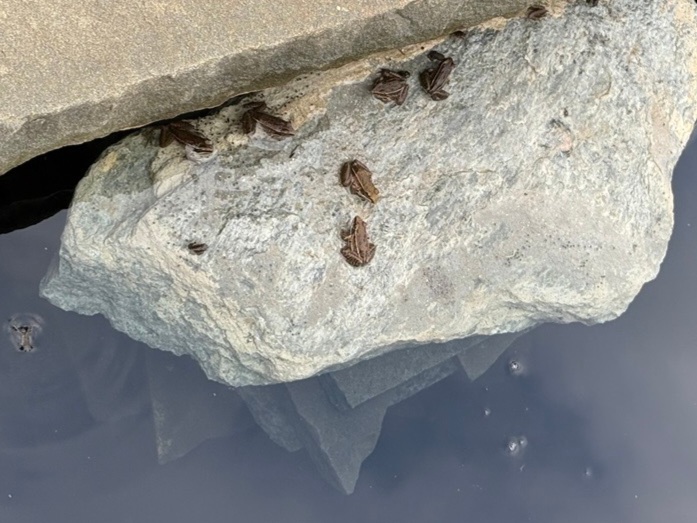
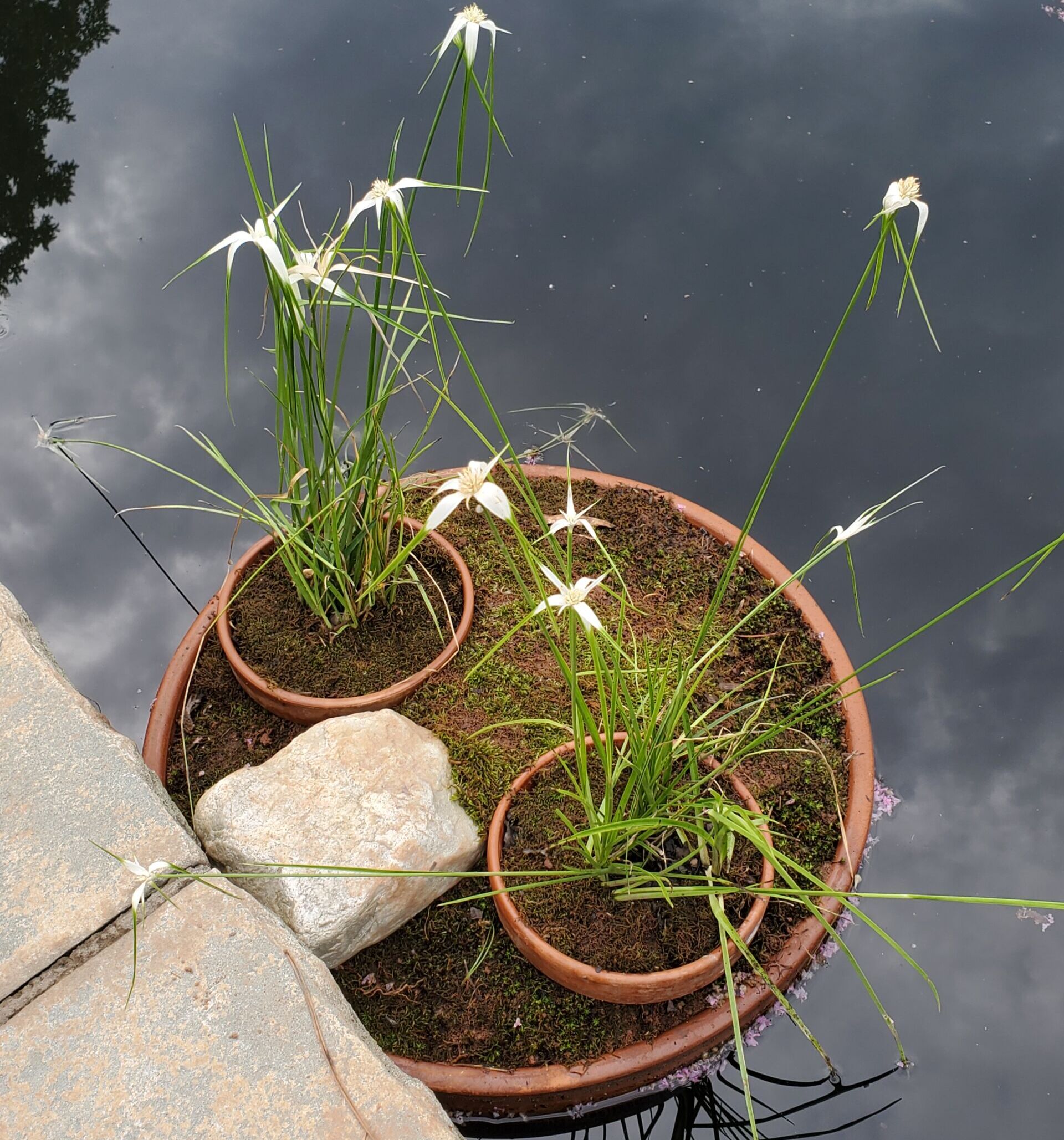
I needed something that couldn’t be tipped over. With a little thought, I decided to try using large terra cotta pottery. I sunk these into the water, the top of the pot even with the water’s surface, and filled the pottery with gravel. This created small islands the floating frogs could land on. I stacked a small rock pile on each one creating a ramp out of the water, and planted the pots with aquatic plants to naturalize them. But daggum it – not even one day passed, and another pesky faerie had picked up these stacked rocks and threw them all into the water. By this point, I’ve realized that no matter how attractive the design is, I cannot compete with that urge to throw rocks. I needed a design that minimized throwable materials.
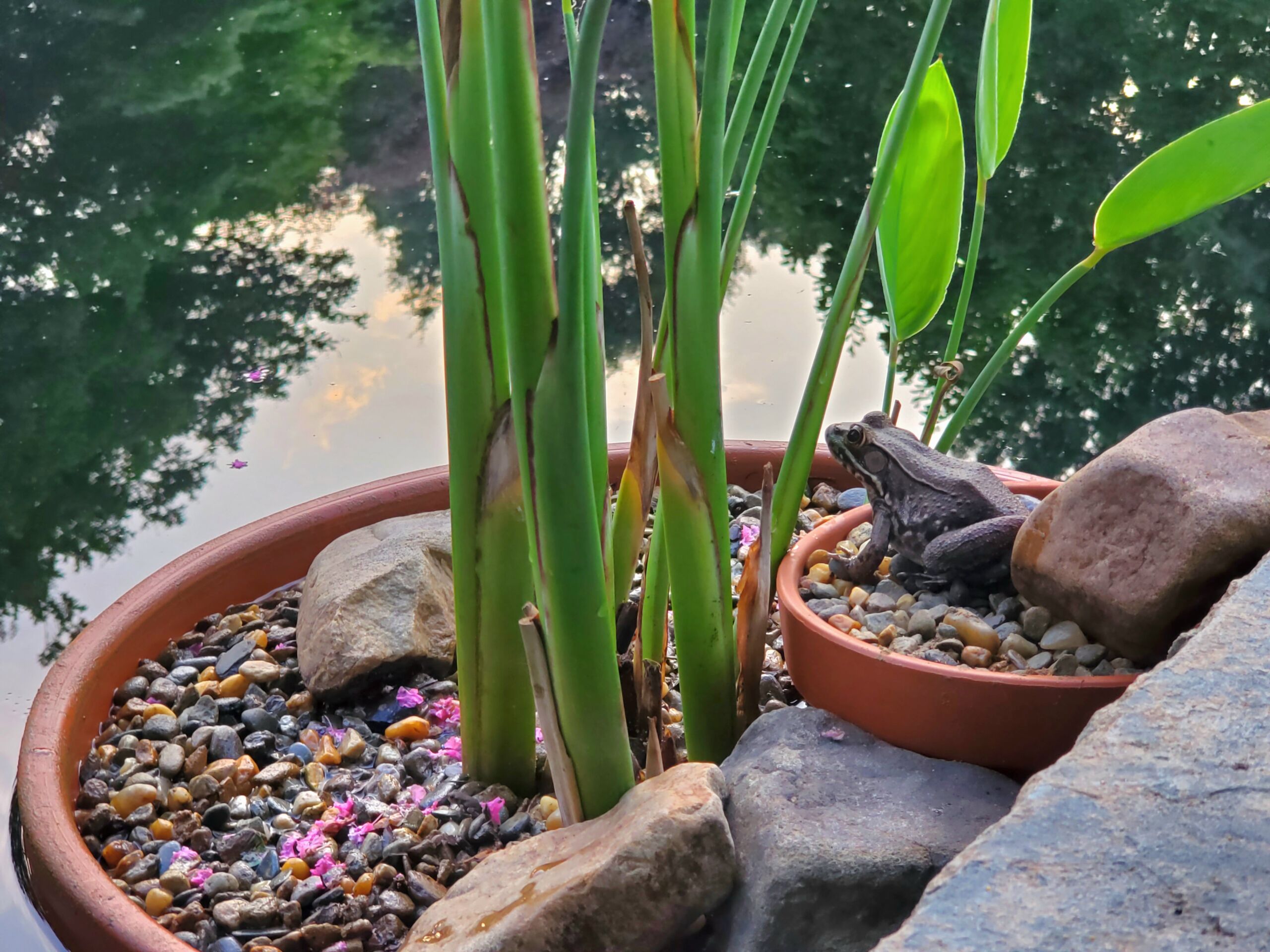
And that is what brought me to my current design. I kept the gravel pots, but built up a mound of mud and moss on top instead. This created an elevated surface the frogs could use to escape the fountain. So far, these “frog islands” are working very well! Perhaps too well. Since assembling the pots, the frogs actually look more at home than ever. Instead of floating in circles, I now find them sitting on their islands, relaxing by the water. Accepting that frogs are drawn to Crown, I’ve decided to lean into it. I have plans to perfect my current designs, and then assemble an aquatic plant collection that will double as frog habitat. Because the best gardens aren’t just beautiful, they are eco-friendly and functional.
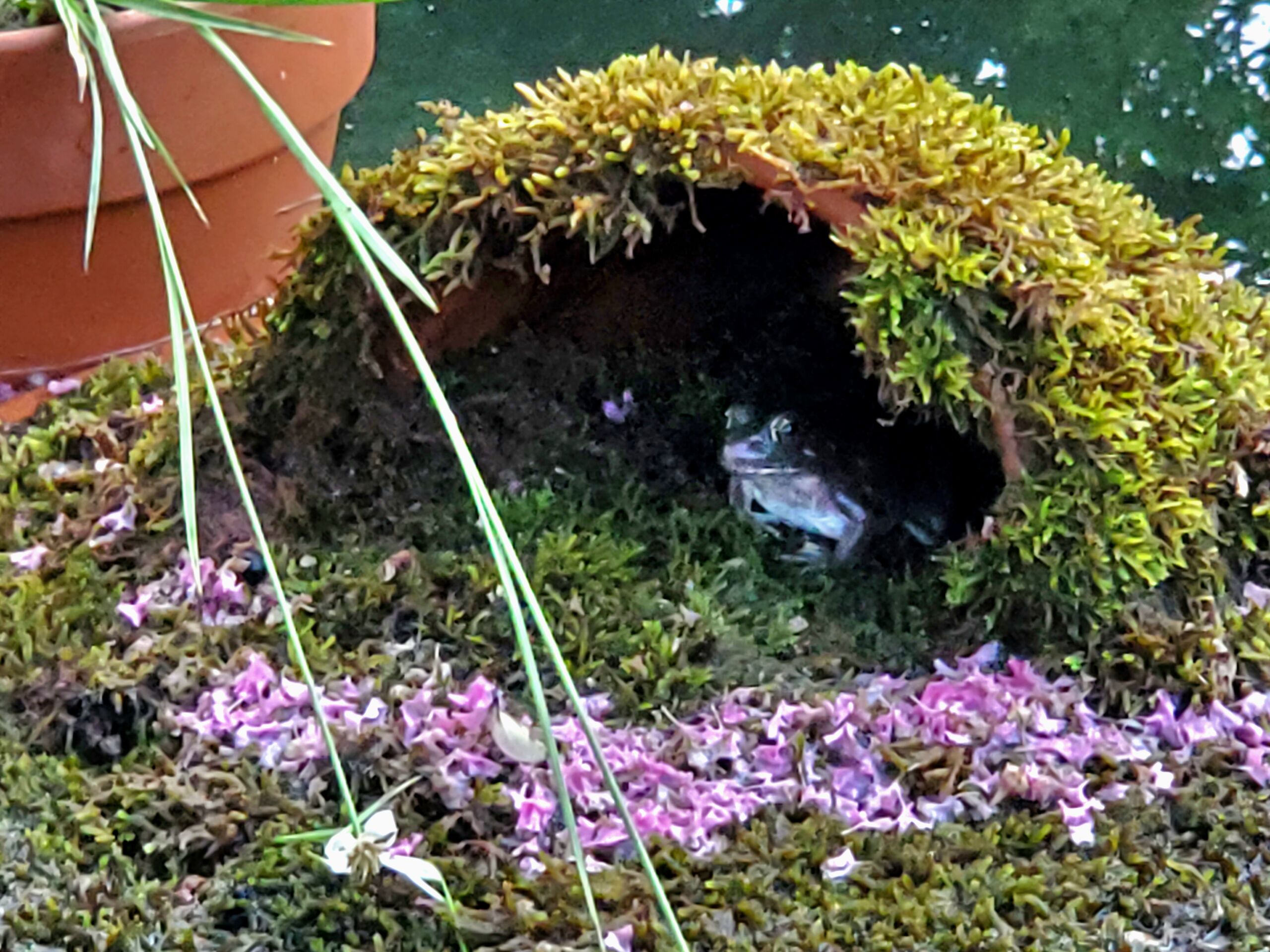
Shelter for foul weather
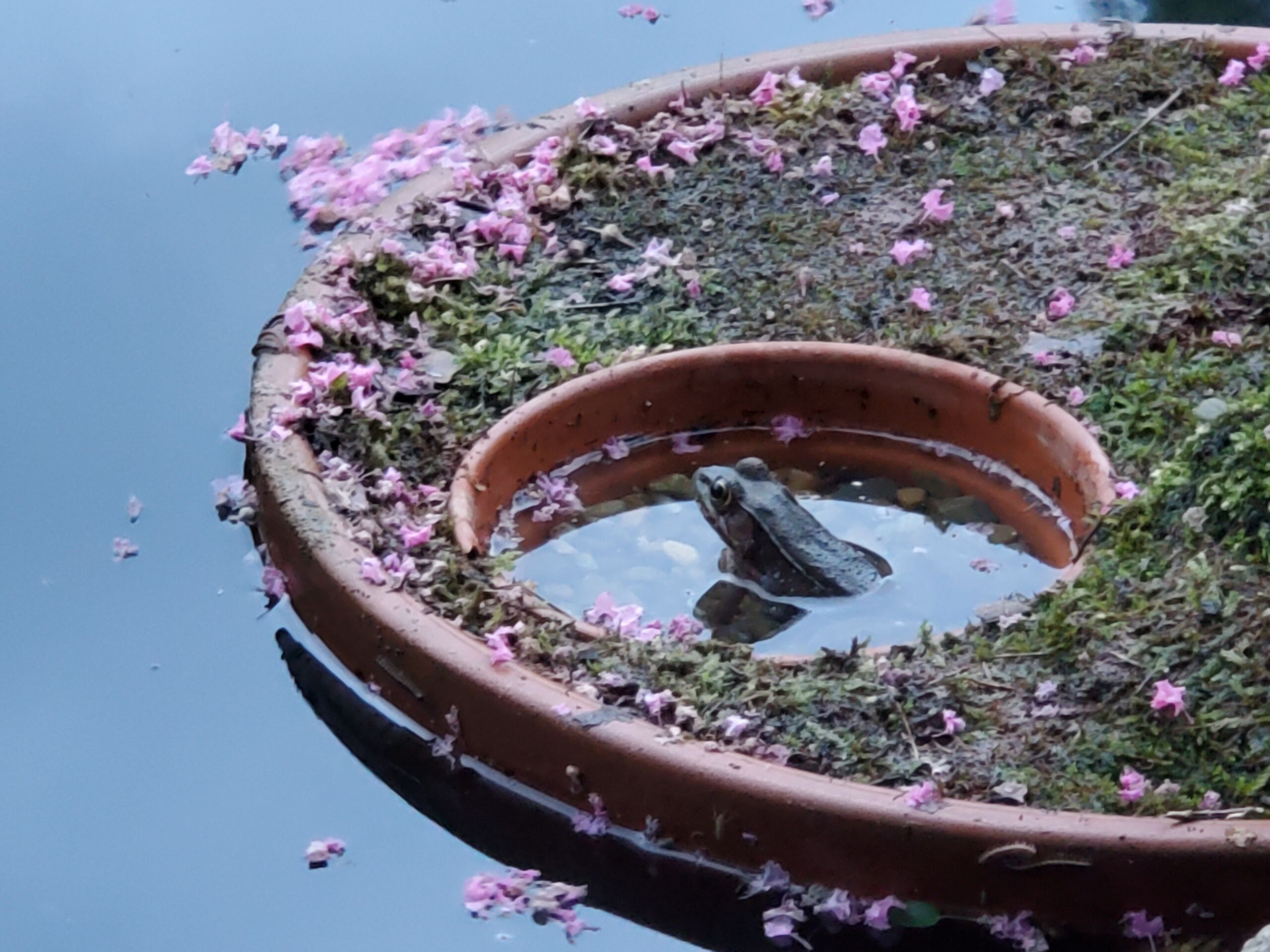
Peaceful morning soaks
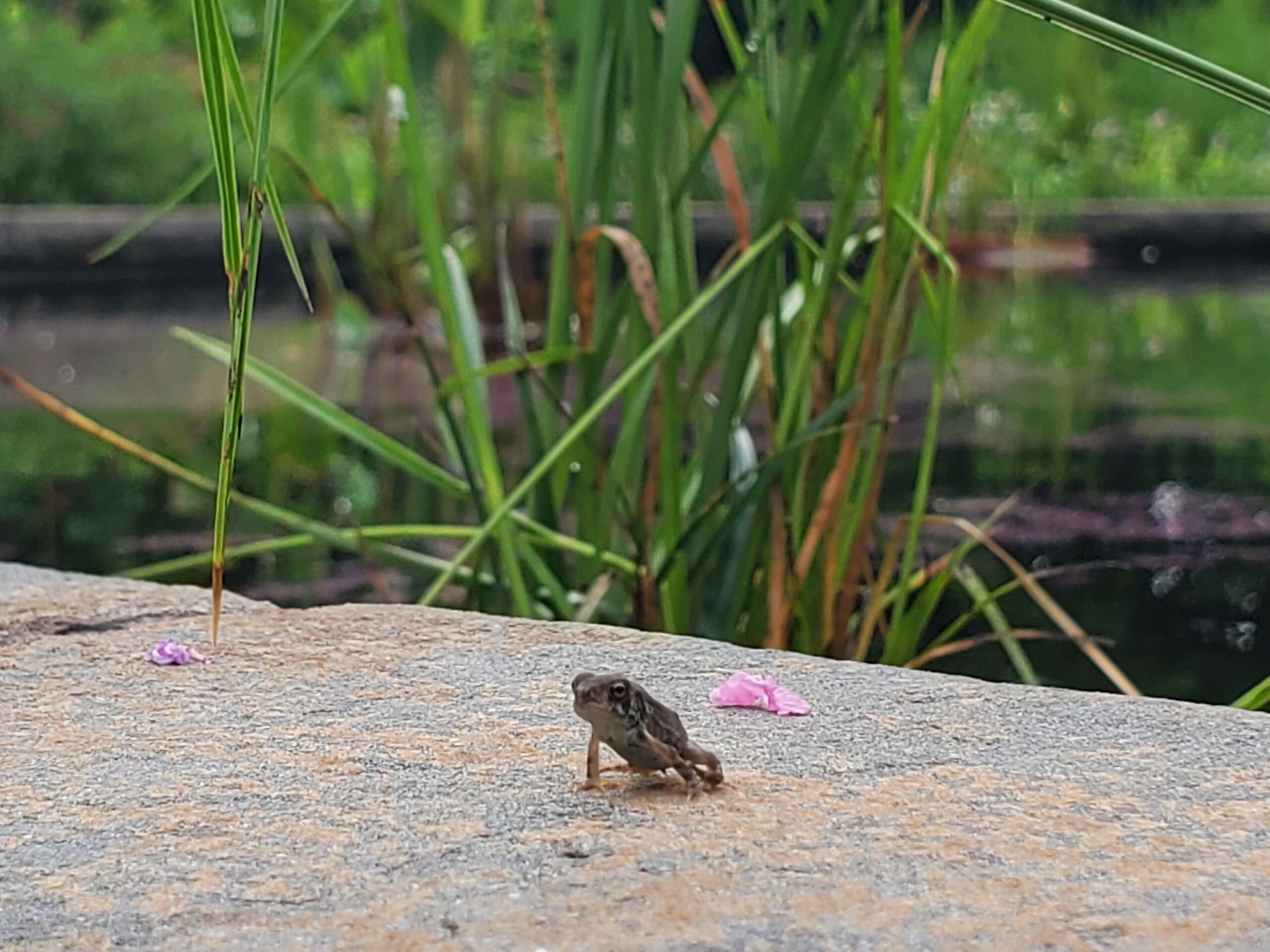
First steps into a new world
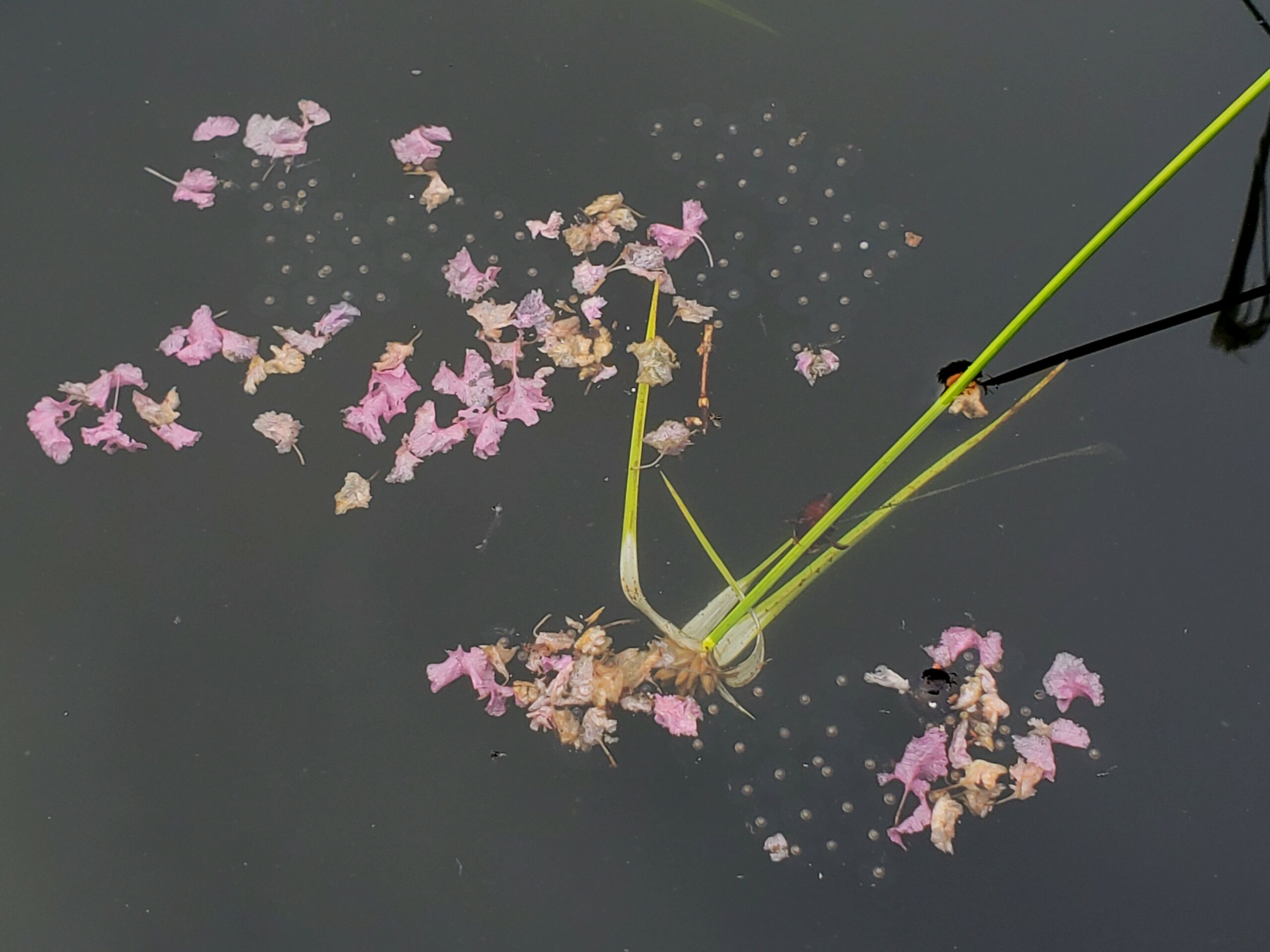
Spawn suggest there's more to come