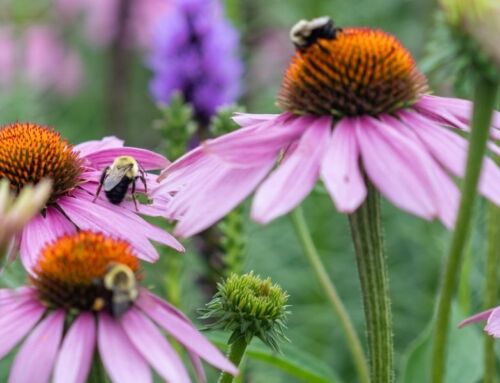

Did you know that one small leaf can support countless pollinators? That's the inspiration behind this year's National Pollinator Week theme: "Life on a Leaf: Celebrating Caterpillars and Host Plants." Coordinated by Pollinator Partnership, Pollinator Week raises awareness about the essential role pollinators play in our environment. While bees and butterflies often steal the spotlight, this year's theme reminds us to appreciate the leaves and host plants that nourish caterpillars and countless other insects throughout their life cycles.
At Daniel Stowe Conservancy, pollinators are all around us. Visit the Butterfly Bungalow, explore the Prairie Steps, wander through our Pollinator Garden, or head out on our network of trails. and you'll discover butterflies nectaring on flowers, native bees buzzing among blooms and caterpillars quietly feeding on the plants they depend on.
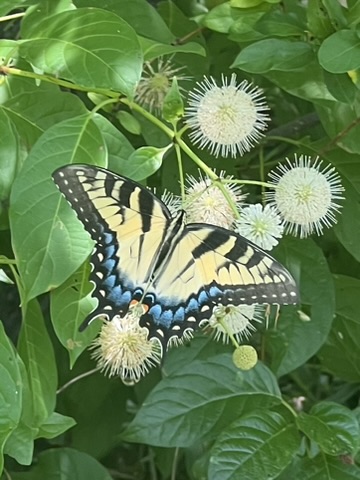
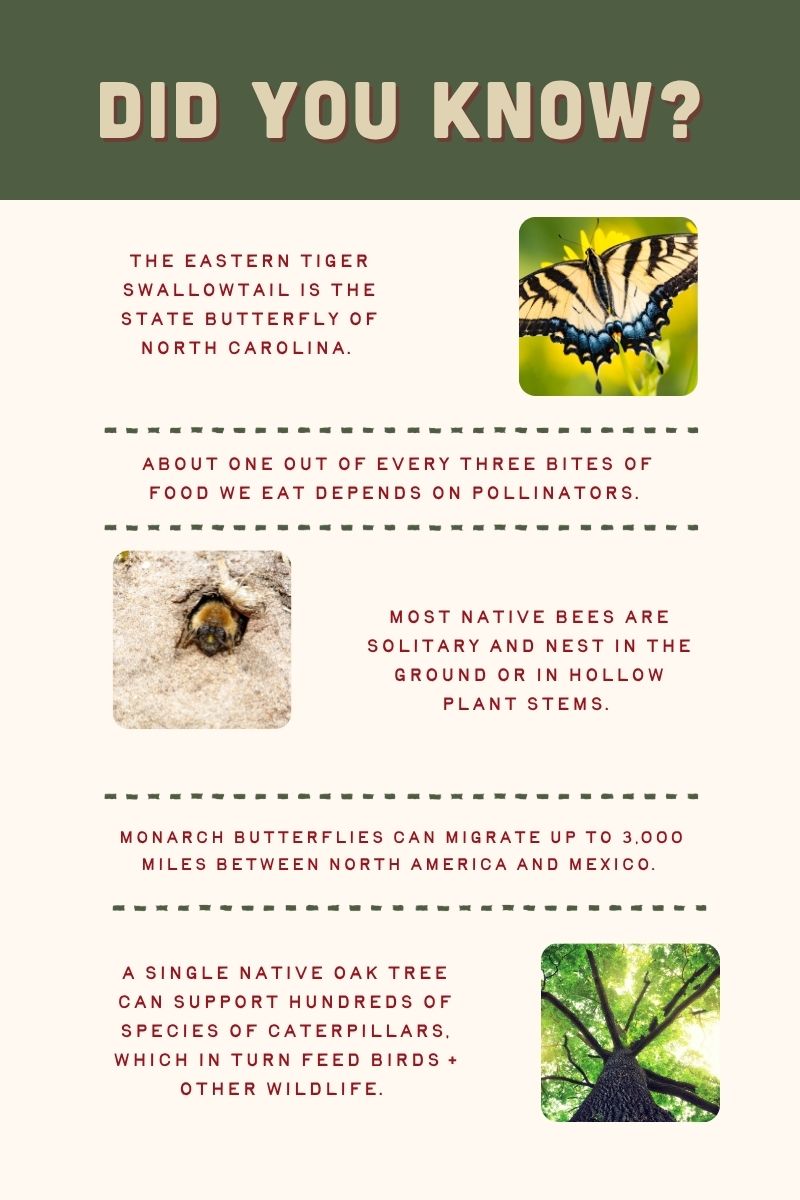
Eastern Tiger Swallowtail
Look closely in the pawpaw grove along our Woodland Phenology Trail and you might spot a Zebra Swallowtail, whose caterpillars feed exclusively on pawpaw leaves.
Search the Cottage Garden for the caterpillars of the Eastern Black Swallowtail on bronze fennel, the gulf fritillary caterpillars on the purple passion vine or peek into Lost Hollow, where Spicebush Swallowtail caterpillars may be hiding among the leaves of native spicebush.
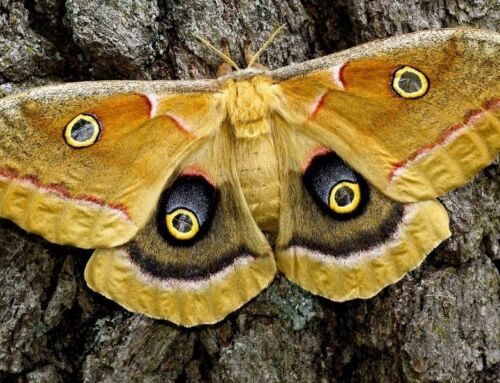
And don't forget to look up! Trees are some of our most important host plants. Native oaks, cherries, willows, tulip poplars and other trees support hundreds of species of moths and butterflies and provide food for birds and countless other wildlife.
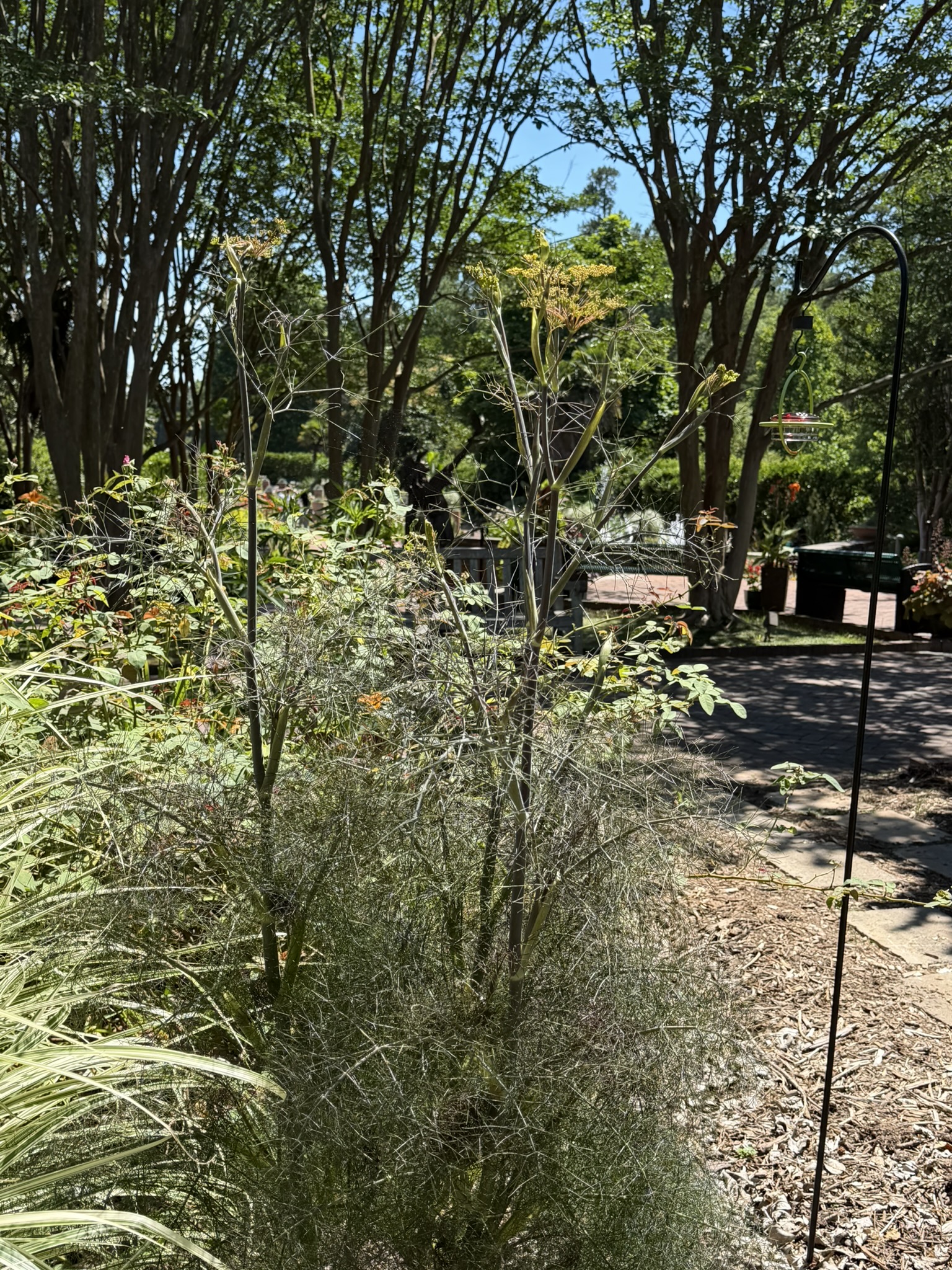
Bronze Fennel in the Cottage Garden
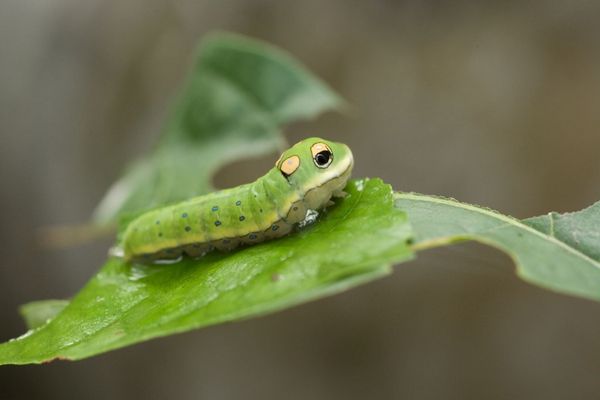
Spicebush Swallowtail Caterpillar
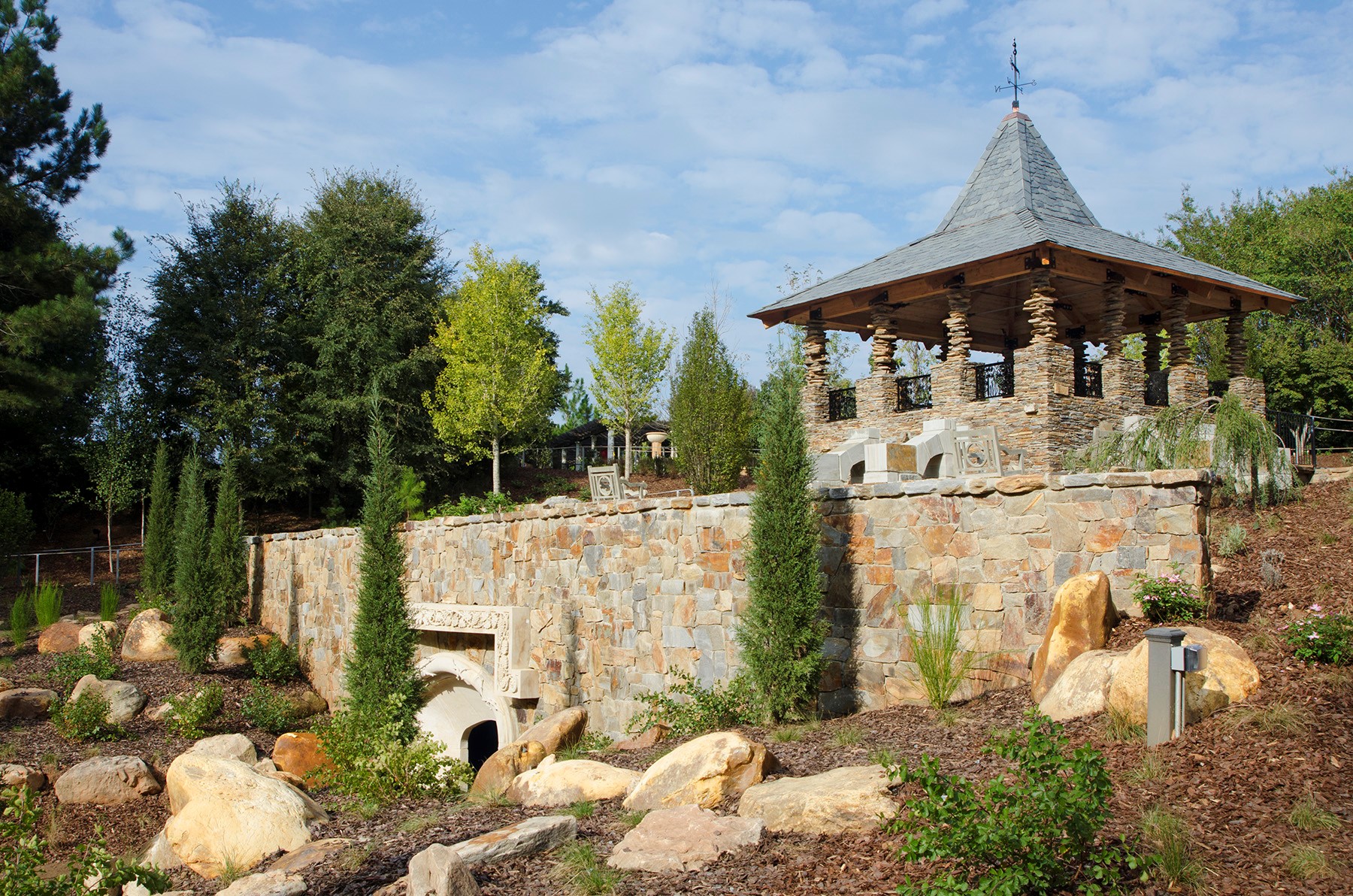
Lost Hollow Children's Garden
Creating places where pollinators can thrive is at the heart of our conservation work. Across our 380-acre property, we are replacing invasive plants with native species that provide nectar, pollen and host plants for caterpillars. Every native plant we restore helps create more opportunities for life to flourish, one leaf at a time.
Bring Life to Your Landscape
You don't need a large garden to help pollinators. From container gardens to larger landscapes, a few thoughtful choices can make big impact!
- Plant Native Species: Add native trees, shrubs, grasses and wildflowers where you can. These plants are adapted to our region, typically require less water, and provide food and shelter for pollinators.
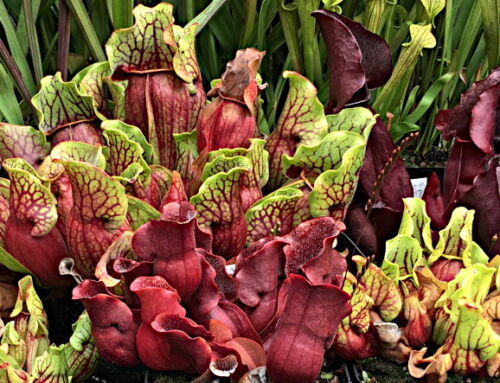
- Plant Both Host and Nectar Plants: Butterflies need more than flowers! Include host plants for caterpillars such as milkweed for monarchs.
- Skip the Pesticides: Pesticides can harm bees, butterflies, caterpillars and other beneficial insects. Embrace a few chewed leaves and remember that those leaves are feeding the next generation of pollinators.
- Leave a Little Wildness: Allow some leaf litter, hollow stems and natural areas to remain in your landscape. Many native bees and other pollinators use these spaces for nesting and overwintering.
Small actions add up. By creating even a small pollinator friendly space, you're helping support the incredible diversity of life, one leaf, one flower, and one pollinator at a time.
Pollinator Week at Stowe
Join us during Pollinator Weed (June 22-28) for special experiences celebrating pollinators and the plants that sustain them:
- Wednesday, June 24 | 1:30 p.m.: Pollinator Walk
- Thursday, June 25 | 4:30-6 p.m.: Pollinator Mosaic Workshop
- Friday, June 26 | 11 a.m.: Guided Butterfly Walk (No pre-registration required; just meet at the Butterfly Bungalow patio)
- Friday, June 26 | 3-3:30 p.m.: Butterfly Bungalow Tour: Host Plants + Caterpillars
- Friday, June 26 | 10-11 a.m.: Pollinator Puddler Workshop
- June 27-28 | 3-3:30 p.m.: Butterfly Banquet Experience
The Great Southeast Pollinator Census
Mark your calendars for August 21 and 22! Daniel Stowe Conservancy will once again participate in the Great Southeast Pollinator Census, a community Science project that invites people of all ages to spend 15 minutes counting pollinators.
This Pollinator Week, we invite you to slow down and take a closer look. Peek under a leaf, watch a bee gather pollen or observe a caterpillar quietly chewing its way through lunch. You may discover that some of nature's most extraordinary stories are unfolding right in front of you, one leaf at a time.
Learn More