If you've ever joined us for a walk at Daniel Stowe Conservancy, you've probably admired the wildflowers, towering hardwoods, and sweeping views toward Lake Wylie. What you may not notice at first glance is that some of the green plants along the trail edges do not belong here.
They are called invasive species, and they are one of the biggest challenges facing natural areas across the country.
What Is an Invasive Plant?
An invasive plant is a non-native species that spreads aggressively and outcompetes native plants. Without the insects, diseases and natural controls that keep them in check in their home range, these plants can take over forests, meadows, and stream banks.
Why does that matter?
Because native plants form the foundation of healthy ecosystems. They support local insects, birds, mammals, fungi and soil microbes. When invasive plants replace native ones, the ripple effects move through the entire food web.
At Stowe, invasive removal is not about "plant shaming." It is about restoring balance.
The Species We're Fighting at Stowe
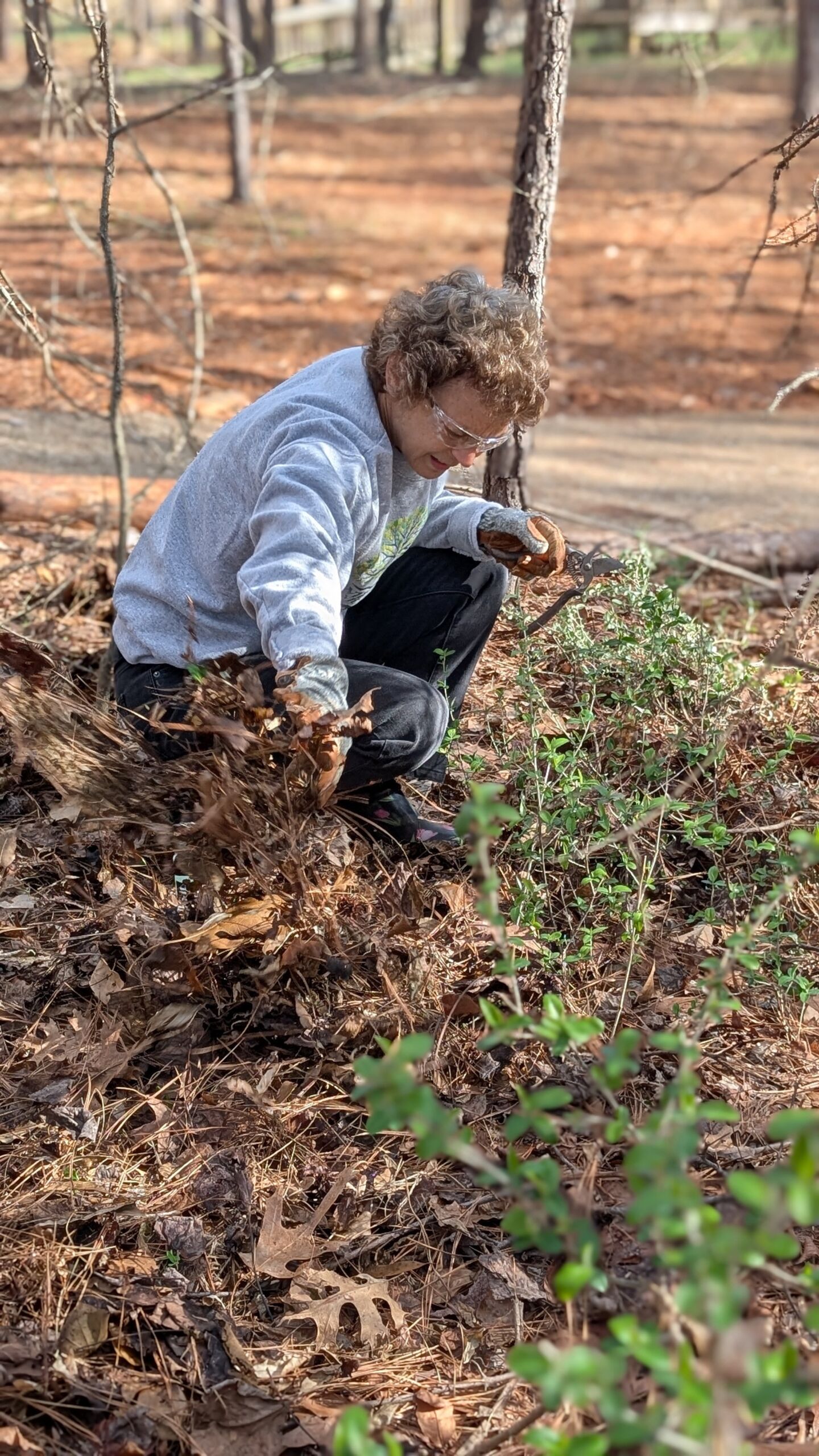
Thanks to the dedication of our Monday Volunteer Work Day crew and restoration team, we are actively identifying and removing invasive plants across priority areas of the property. These hands-on efforts are a core part of our volunteer program and one of the most direct ways community members can contribute to habitat restoration at Stowe.
Here are a few of the primary invasive species we are actively managing:
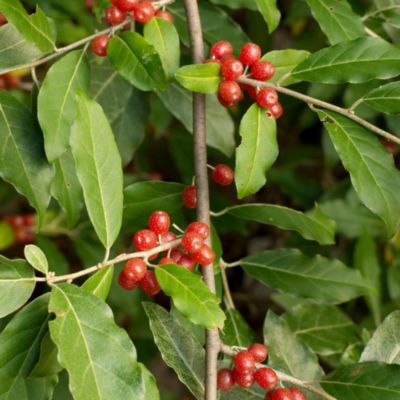
Autumn Olive (Elaeagnus umbellata)
A fast-growing shrub that produces abundant red berries that birds quickly spread. It forms dense thickets that crowd out native understory species.
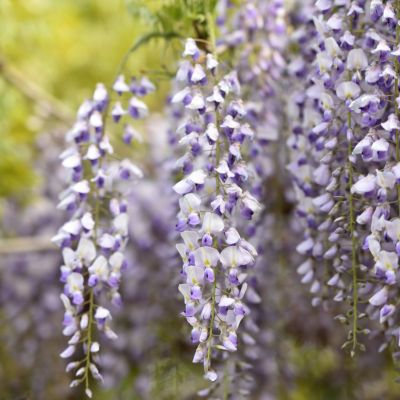
Wisteria (non-native species)
Beautiful and destructive at the same time. Non-native wisteria climbs trees, blocks sunlight and can pull down mature trees under its weight.
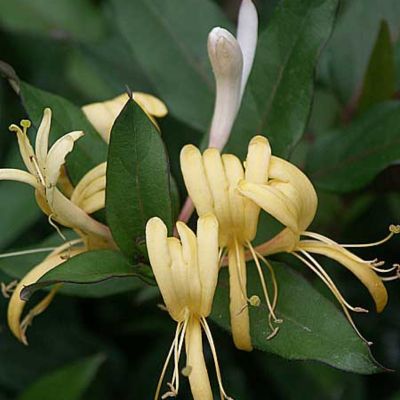
Japanese Honeysuckle (Lonicera japonica)
A twining vine able to climb up to 33 feet. It is so invasive that it is prohibited to be bought and sold in several states and is outright banned in Indiana and New Hampshire.
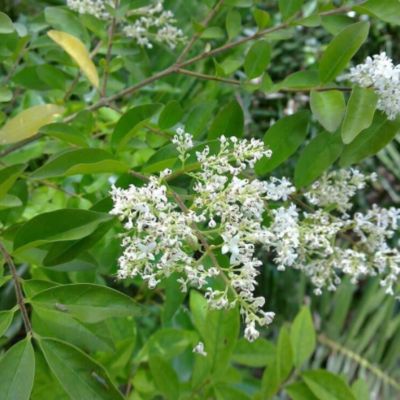
Privet (Ligustrum species)
Often planted historically as hedges, privet escapes into natural areas and creates dense, shade-heavy walls that suppress biodiversity.
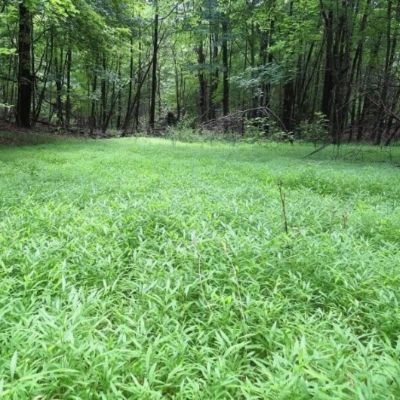
Japanese Stiltgrass (Microstegium vimineum)
This annual grass carpets forest floors and prevents native seedlings and wildflowers from establishing.
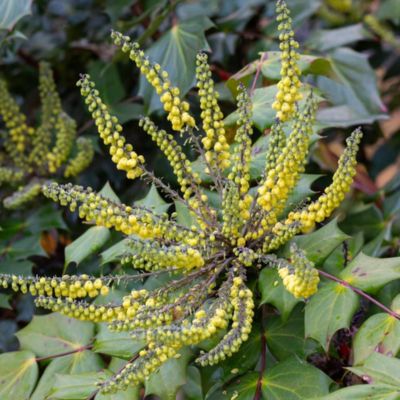
Leatherleaf Mahonia (Mahonia bealei)
An ornamental evergreen shrub that spreads into woodlands and displaces native understory plants.
Why Removing Invasives Matters
When invasive plants dominate:
- Native plant diversity declines
- Pollinator resources decrease
- Tree regeneration suffers
- Wildlife habitat quality drops
- Soil chemistry and microbial communities shift
There is another important connection that often goes unnoticed. Invasives also impact water quality.
Many invasive species create shallow root systems or monocultures that reduce soil stability. This can increase erosion and sediment runoff, especially during heavy rain events. At Stowe, that runoff flows toward the Catawba River Basin and ultimately into Lake Wylie.

Lake Wylie Shoreline via the Duke Kimbrell Trail
Sediment and nutrient runoff affect water clarity, aquatic habitat and overall watershed health. Managing invasive plants is not just about forests. It is also about protecting our regional water resources.
Signs of Spring and Why Timing Matters
Through our participation in the USA National Phenology Network, we track seasonal changes such as leaf-out and flowering using Nature's Notebook. Phenology is the study of seasonal timing. It helps us understand when invasive species are most vulnerable.
For example:
- Early leaf-out in privet often gives it a head start over native shrubs
- Autumn olive flowers and fruits on predictable schedules that inform removal timing
- Stiltgrass germination aligns with warming soil temperatures
By observing seasonal patterns, we can time removal efforts more effectively and reduce regrowth.
Spring is when the forest wakes up. It is also when invasive plants try to get ahead. That is when we get to work.
Restoration: What Happens After Removal?
Taking plants out is only half the story.
Our Native Plant Materials Program, including our on-site native nursery and seedbank, plays a critical role in restoration. We grow and store regionally appropriate native species to replant areas where invasives have been removed.
This ensures:
- Pollinators regain food sources
- Birds regain nesting habitat
- Soils rebuild biological diversity
- Forest succession continues naturally
Removal without restoration leaves a vacuum. Restoration completes the cycle.
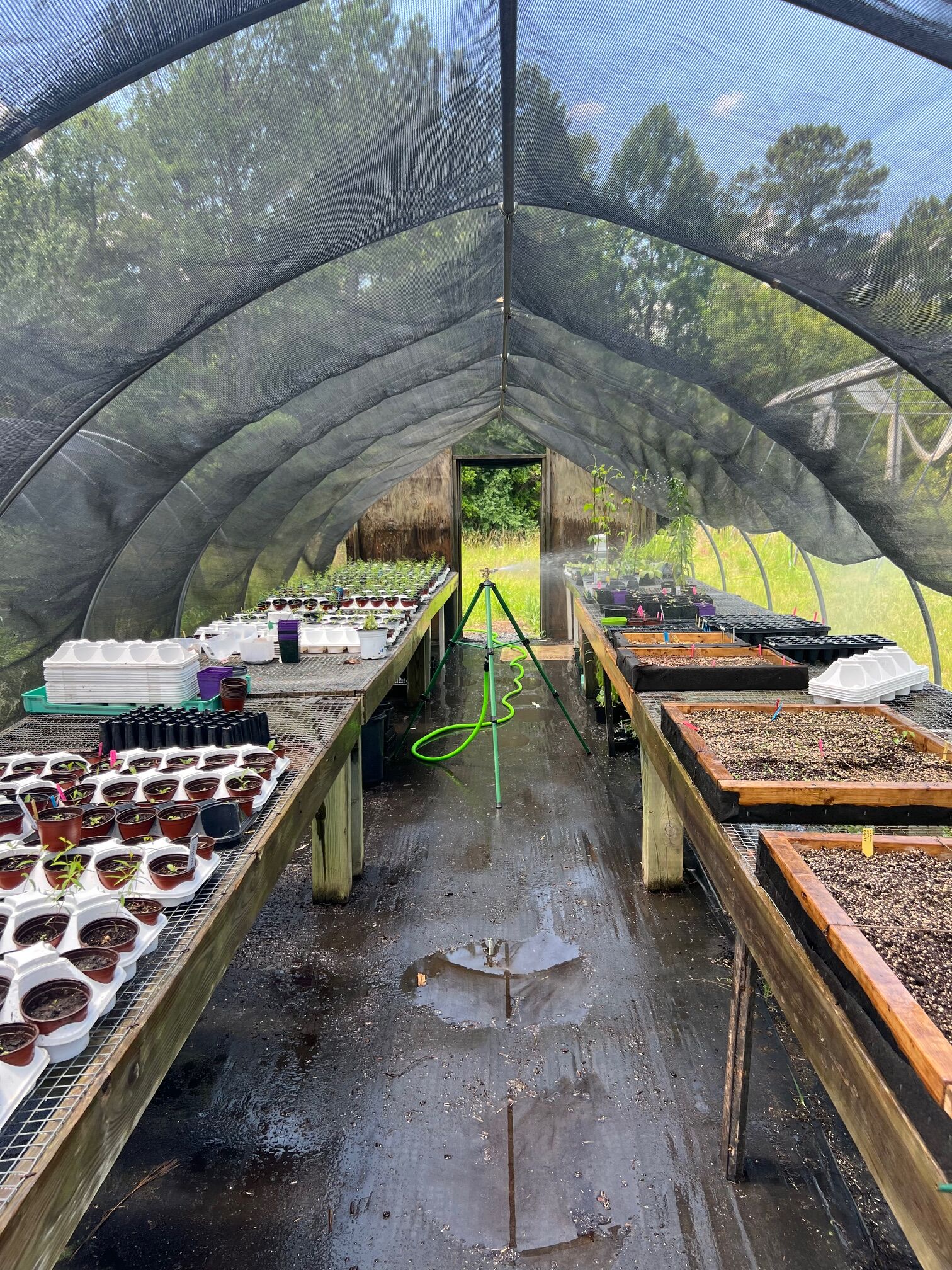
Stowe's Native Nursery
2025 Impact
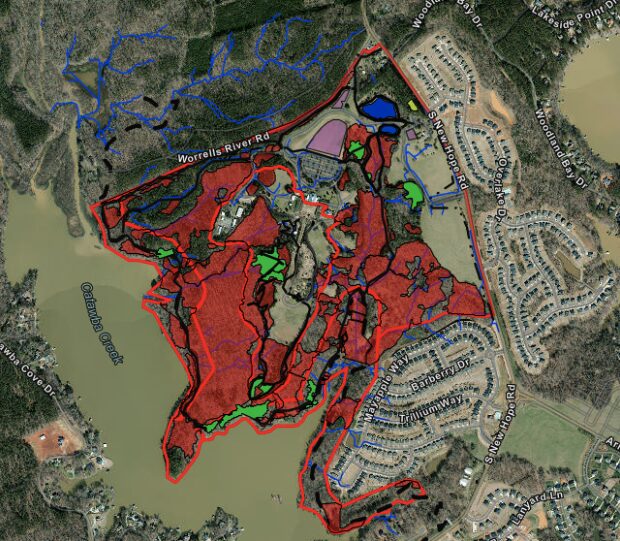
This map highlights areas of the Stowe property where one or more invasive species have been observed (shown in red). In 2025, our team and volunteers focused on several priority zones and made significant progress removing primarily autumn olive from these areas, totaling approximately 4.5 acres (shown in green). We are continuing to refine our mapping to identify additional priority zones and to develop a long-term Invasive Species Management Program. Targeted removal can transform dense, monoculture thickets into diverse, recovering woodland habitat.
Want to Get Your Hands Dirty?
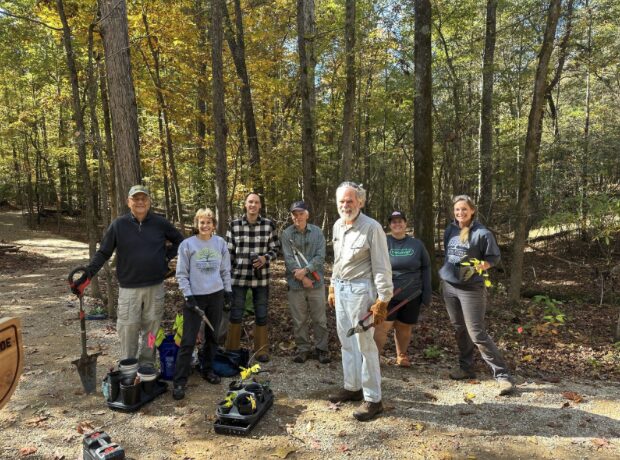
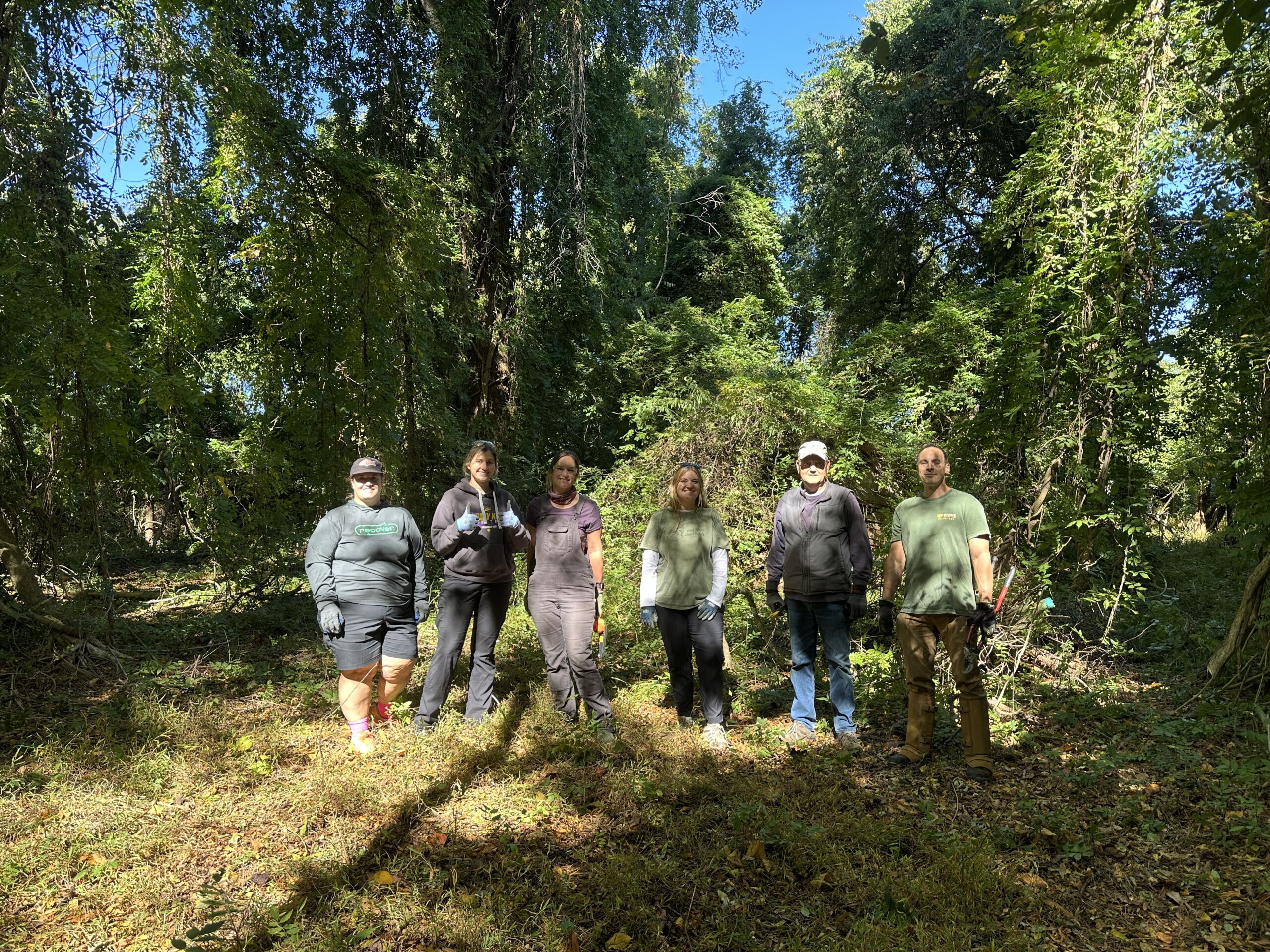
We host Monday Volunteer Work Days focused on invasive removal and habitat restoration.
You do not need experience. We will teach you how to identify species, use tools safely, and understand the ecological reasons behind the work.
You will:
- Learn to spot invasive plants
- Contribute directly to habitat restoration
- Support water quality in the Catawba River Basin
- Help protect the ecological health of Lake Wylie
- Be part of a growing conservation community
An added bonus? There is something deeply satisfying about pulling a privet seedling.
The Big Picture
Invasive removal is long-term, hands-on conservation. It is science in action. It is watershed protection. It is pollinator support. It is forest restoration.
Most of all, it is hopeful work.
Every plant removed creates space for something native to return.
If you would like to join us, sign up for a Monday work day and come see the difference you can make, one plant at a time.