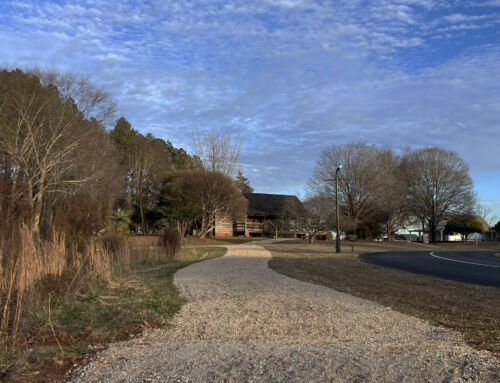

A note from Stowe Executive Director John Searby
On a recent summer morning, I had the opportunity to take a walk through the Gardens at Stowe and when I reached the end of Canal Garden, I stopped for a few minutes to rest and reflect on a bench in the shade next to the fountain. As we learned in Cody’s recent blog about our Fountain Frogs, every garden at Stowe has a fountain. And every fountain has a unique sound, adding a rich layer of acoustic therapy to your stroll through the gardens.
As soon as I sat down, the sounds of Canal Fountain came into focus. While not always on the exact same pattern, they have a discernable cadence as they shoot into the air and fall back to the pool that is calming and relaxing. I could feel my blood pressure lowering and my mind opening as I sat and enjoyed the sound of the water.
Across multiple studies, water sounds are consistently proven to improve mood, reduce anxiety and increase subjective sense of well-being. Research on urban soundscapes, published in Frontiers in Psychology, found that water sounds from rivers and fountains raise auditory amusement, induce relaxation and promote perceived restoration.
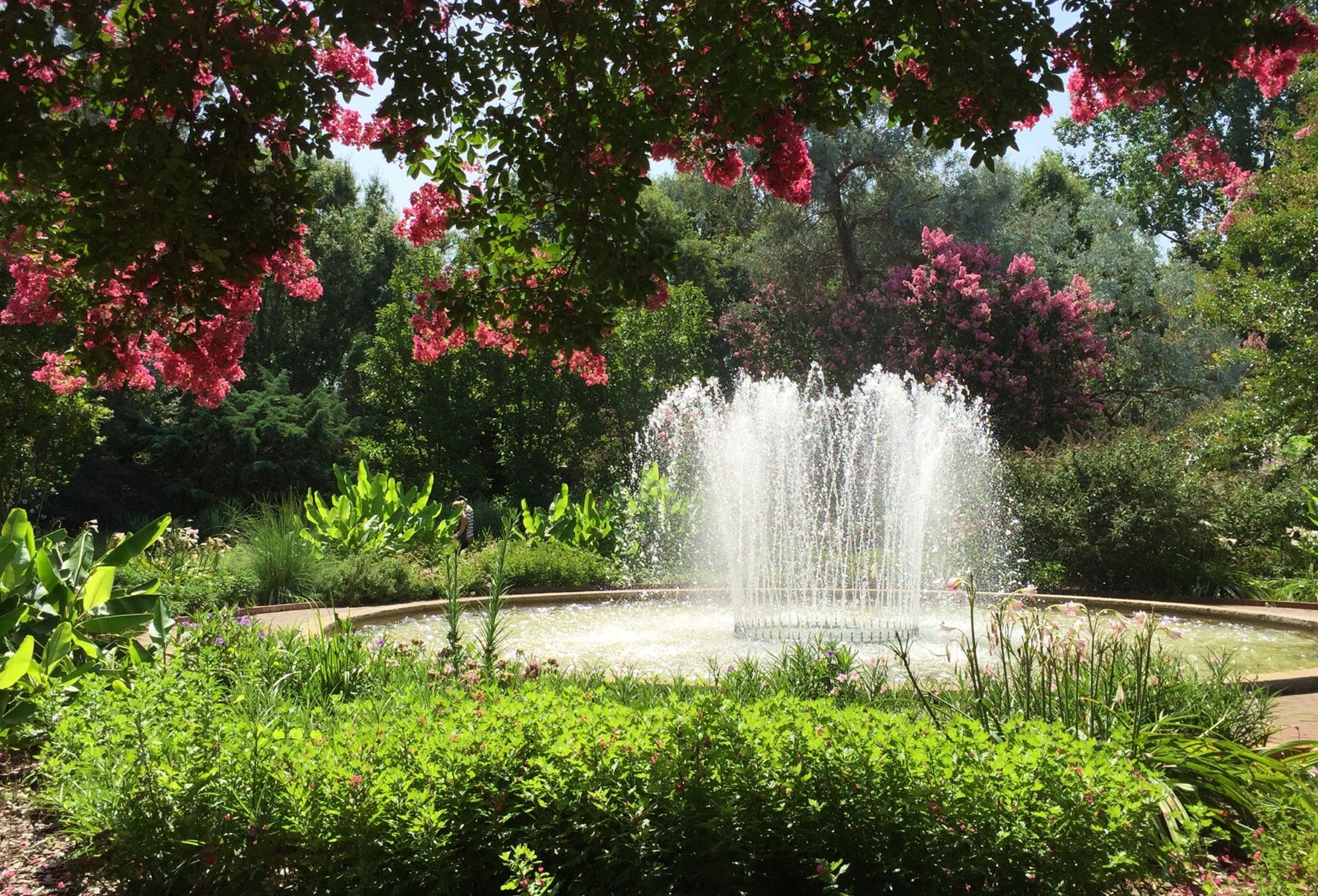
The Crown Fountain
Water sounds also have a measurable effect on the autonomic nervous system. Research published in Nature.com's Scientific Reports found that listening to natural sounds — including flowing water — shifts the body away from fight-or-flight activation and toward rest-and-digest activity, reflected in increased heart rate variability. This is the physiological signature of relaxation and recovery.
A fountain sound has also been shown to facilitate recovery from sympathetic nervous system activation, the state your body enters under stress or physical exertion, according to a Psychology Today article that reviewed much of the research on the topic.
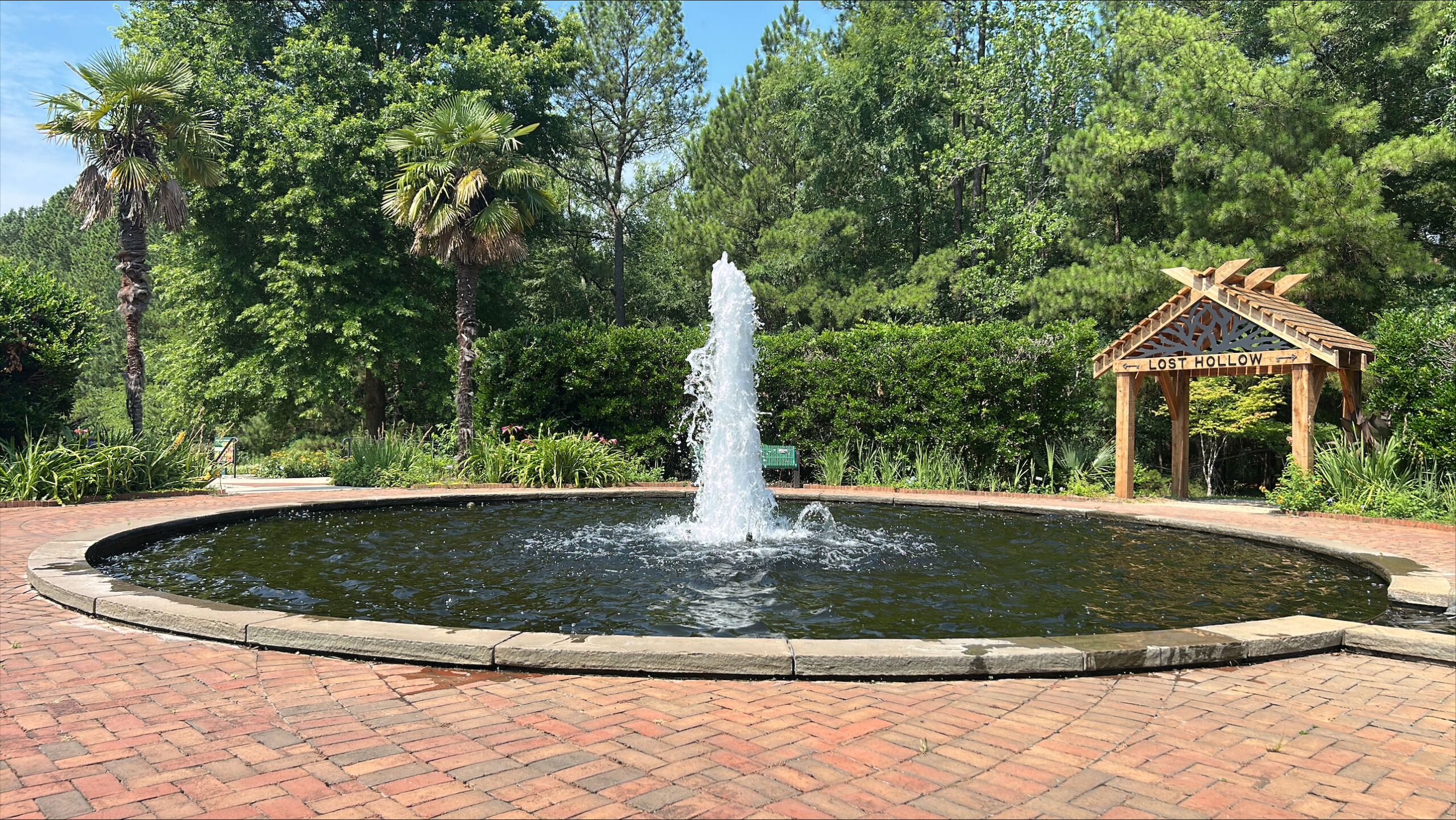
Canal Fountain (Prairie Side)
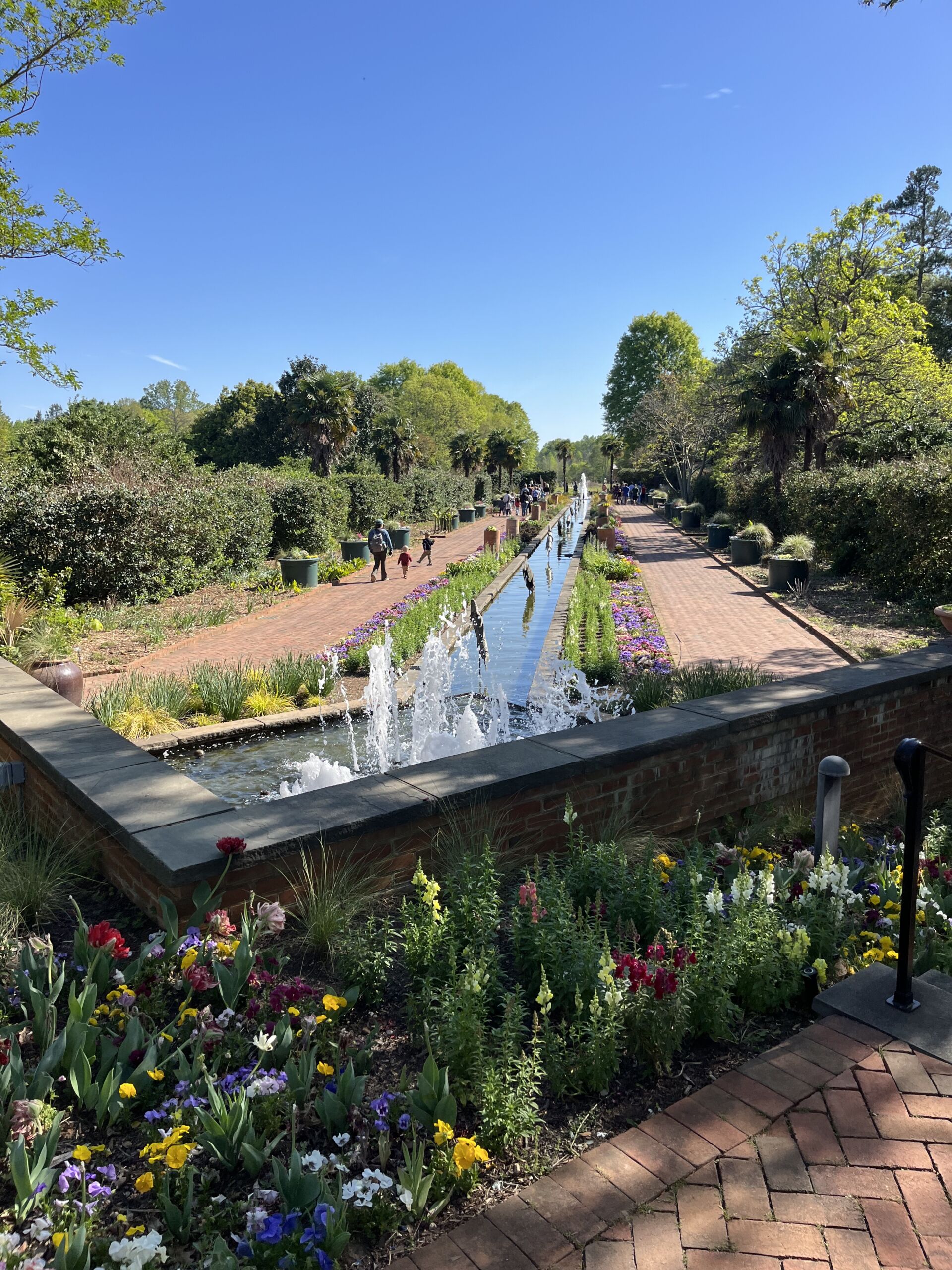
Canal Fountain (Cottage Side)
The Scientific Reports study also found that water and other natural sounds change activity in the brain's default mode network (DMN) — the system active during rest and mind-wandering. When listening to natural sounds, the brain shifts toward an outward-directed focus of attention. When listening to artificial or urban sounds, the brain shifts toward inward-directed focus — a pattern associated with anxiety, PTSD and depression.
This was the exact experience I had as I sat next to Canal Fountain that morning. As my mind wandered, I found myself thinking about the beauty of the gardens and how lucky we are to have them here in our community rather than worrying about the "to-do list" waiting for me back in my office. I was reminded of some "thank yous" I owe our staff and volunteers for all the hard work they've been putting in to make Stowe a beautiful place for all of us to enjoy. And in just a few minutes I felt a sense of relaxation that hadn't been there when I set off on my walk.
Next time you feel life's stresses creeping up or you need to reset your focus to the good in the world to reduce your anxiety, I'd encourage you to take a stroll through the gardens and take a seat next to one or all of our beautiful fountains. I can't promise you it will fix everything in the world around you, but for those minutes you linger and let your mind wander as you listen to the sounds of water falling through the fountain, I can assure you at least a moment of calm and respite from the stresses of your life.