
When most people think of planting, they picture springtime—sunny days, blooming flowers and garden centers buzzing with activity. But here’s the secret that seasoned gardeners in North Carolina’s Piedmont already know: fall is actually the best time to plant.
There are several reasons why autumn outshines spring in the garden. While the air cools down, the soil remains warm well into December and beyond, creating ideal conditions for root growth. This “roots before shoots” approach gives plants a head start. Cooler weather also means less stress for transplants, reducing the chance of shock and helping them settle in comfortably. With rainfall often more reliable in the fall, plants establish without the constant struggle for water, and by spring, they are ready to burst into growth, healthier and more resilient than if they had been planted in the heat of spring.
Fall is also the perfect season for dividing perennials. After plants have been established for about two years, most can be gently dug up and divided. This not only helps keep them vigorous, but it also gives you the opportunity to share plants with friends and family or to fill in bare spots in your own yard. And here's a tip: you don't always need to dig the entire plant out of the ground. You can go in from the side with a garden fork or shovel, remove a section and leave the rest of the plant undisturbed. Dividing in fall ensures the roots settle in quickly without the stress of summer heat.
Fall planting encourages gardeners to think differently about maintenance as well. Leaving the seed heads of perennials through the winter provides food for birds and adds beauty to the garden in the quieter months. There's nothing quite like watching a goldfinch balance on the seed head of a coneflower, enjoying what nature has left behind. Similarly, instead of bagging up leaves, consider raking them into a composting area or using them as natural mulch. Over time, they break down into rich organic matter that improves your soil, they provide habitat for beneficial insects, and they might even help attract lightning bugs to your yard next summer.
New plantings need consistent moisture to thrive. Aim for one to two inches of water per week. A rain gauge is a simple, inexpensive way to track rainfall, and if nature doesn't provide enough, you'll need to supplement with hand watering. A watering wand is one of the most useful tools a gardener can own, allowing you to soak deeply at the base of the plant. Water long enough to saturate the entire rootball, and if you're unsure, dig a small hole near the plant to check soil moisture.

Goldfinch on a cone flower

Rethink your leaf pile and compost or mulch it!
Perennials We’re Planting

Stowe horticulturists planting Cercis canadensis 'Rising Sun' ('Rising Sun' Eastern redbud) and Carex flacca (Blue Zinger)

Magnolia virginiana 'Green Shadow' ('Green Shadow' sweetbay magnolia) - 10 were planted in the center island of the roundabout near the prairie
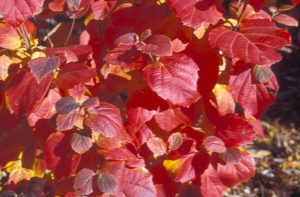
Fothergilla gardenii - well-known for its beautiful fall colors. Keep an eye out for it around The Gardens as it blooms!
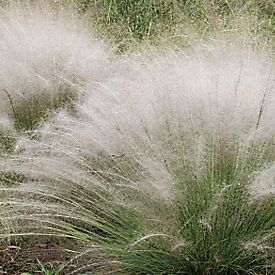
Muhlenbergia capillaris 'White Cloud' ('White Cloud' muhly grass)

Amsonia hubrictii (Arkansas amsonia) in the fall
Of course, even with fall's advantages, there are common mistakes to avoid. Planting too deeply can smother roots, so be sure to keep the trunk flare visible on trees and shrubs. Resist the urge to fertilize—feed the soil, not the plant! This is the season to focus on strong roots rather than leafy growth. Don't forget that plants still need water during dry spells in winter, and avoid piling mulch directly against trunks, which can invite rot.
The fall season in the Piedmont is a gift for gardeners. It's a time when the weather cooperates, nature lends a hand and your efforts are rewarded with stronger, healthier plants in the seasons to come. If you want your garden to thrive, plant in the fall—you'll be giving your landscape the autumn advantage, and your spring garden will thank you for it.